
Are you losing premium department store shelf space to rival candle makers? Pouring your expensive oils into wrong-sized, generic jars kills your brand authority and cuts your profits deeply.
The top-selling candle jar sizes for luxury home fragrance brands are 10oz and 12oz heavy-base glass tumblers. These larger, thick-walled vessels allow multi-wick configurations, optimize hot scent throw in large rooms, and project an expensive, minimalist aesthetic that high-end shoppers buy.
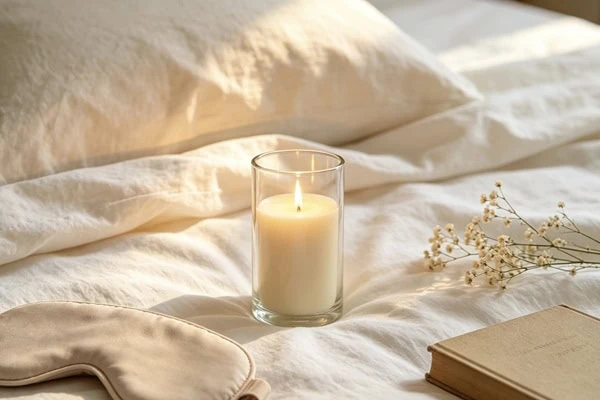
I see too many makers rely on low-capacity jars to save on initial wax supply costs. They fail to see that high-end boutiques actively seek out heavy, substantial home display pieces. Let me share my factory packaging observations from WXglass to help you choose the best lucrative dimensions.
What Is the Most Popular Size Candle Sold?
Are your storage shelves cluttered with tiny travel tins that your target boutique buyers completely ignore? Stocking slow-moving container sizes locks up your working capital and slows your business growth.
The 8oz container is the most popular size candle sold in the overall global market for everyday home use. However, high-end luxury lifestyle lines find that larger 10oz and 12oz glass tumblers dominate their total retail sales numbers.
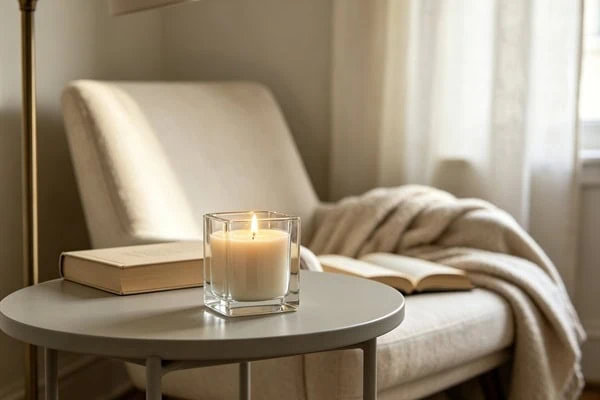
Target Container Sizes to Match Your Brand Tier
When I worked as an employee at a glass bottle factory, I watched how container orders split between different company types. Mass-market brands always purchased massive volumes of standard 8oz jars. They target cost-conscious shoppers who want a quick, affordable bedroom air freshener.
Luxury brands succeed by moving up to heavy 10oz and 12oz tumblers. The wider top diameter allows the hot wax pool to spread quickly, which fills large living spaces with aroma efficiently. This structural upgrade changes buyer psychology and lets you set a premium retail price. The table below matches common jar sizes to their best retail channels.
| Glass Jar Volume Size | True Net Wax Weight | Common Retail Price | Core Target Retail Market | Sourcing Strategy Focus |
|---|---|---|---|---|
| Small 4oz Container | 3.2 ounces | $10 – $14 | Craft Markets / Gift Sets | High turnover, low profit per unit |
| Standard 8oz Jar | 6.5 ounces | $18 – $26 | Independent Local Boutiques | Universal volume seller baseline |
| Premium 10oz Tumbler | 8.5 ounces | $32 – $48 | High-End Spas / Department Stores | Optimal luxury profit margins |
| Luxury 12oz Vessel | 9.8 ounces | $50 – $75 | Luxury Design Showrooms | Maximum brand prestige placement |
What Is the 8 10 Candle Rule?
Do your candles look amazing on the outside but fail to give a strong aroma when lit? Low scent performance drives away your premium buyers and brings negative reviews to your website.
The 8 10 candle rule requires you to mix between 8% and 10% fragrance oil relative to the absolute physical weight of your wax. This exact chemical boundary keeps your wax base stable while maximizing your aroma hot throw.
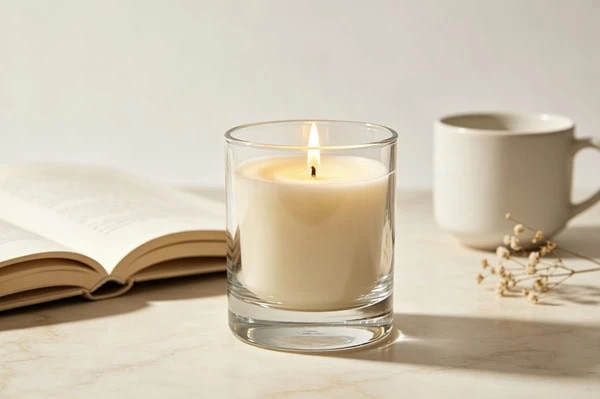
Protect Your Wax Structure from Excess Oil Bleeding
Through my long journey in the glass manufacturing field, I have tracked how improper scent mixes ruin beautiful candles. Many startup owners think that adding a 15% fragrance load will make them stand out. This is a big mistake because natural plant waxes have limited physical space to hold liquid perfume molecules.
If you push past a 10% ratio, the wax crystal matrix rejects the excess oil during cooling. The loose oil sweats out and pools inside your glass jars. This loose oil creates a major fire hazard and can dissolve your custom front stickers during transport. The list below breaks down the raw material math for an accurate luxury batch.
- Weigh Components on Scales: Always calculate your oils in grams using a digital scale to keep your production runs completely uniform.
- Prevent Product Sweating: Staying under a 10% oil load stops liquid from weeping out and staining your outer cardboard boxes.
- Ensure Clean Flame Burning: Proper chemical balance prevents the wick from sparking or creating tall, smoky flames inside your luxury glass.
What Is the Most Popular Candle Jar?
Are you hunting through endless glass supplier catalogs trying to find a vessel that looks modern? Choosing odd or complex container shapes spikes your shipping breakage rates and slows your production lines.
The straight-sided clear or amber glass apothecary jar is the most popular candle jar for classic artisan lines. For premium modern luxury brands, the thick-base seamless glass tumbler coated in matte black or frosted white is the top choice.
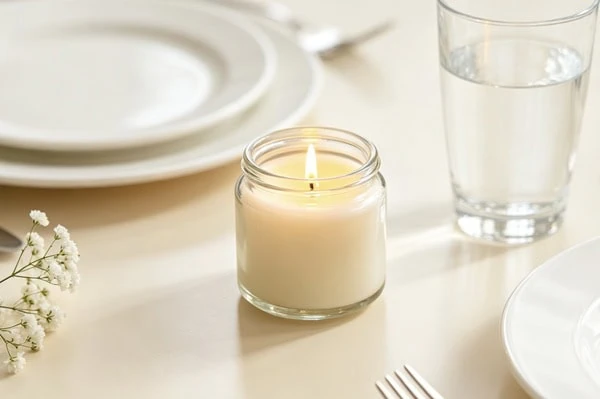
Choose Symmetric Cylinder Profiles to Guarantee Safety
At WXglass, I always tell my wholesale partners to choose round cylinders instead of complex angular star or heart shapes. Square containers have sharp corners that the heat pool cannot reach. This mismatch leaves cold columns of unburned wax along the sides, which frustrates your buyers.
A straight-sided round cylinder ensures that your flame heat spreads in a perfect circle. This symmetry creates an even melt pool, which releases your fragrance oils efficiently into the air. Thick round glass from WXglass undergoes intense factory oven treatments to remove internal material stress, making it safe for high-end home use.
- Sleek Glass Tumblers: The ultimate shape for clean, modern, and minimalist luxury brands that want a high-end look.
- Traditional Apothecary Jars: The top choice for cozy, rustic, and artisan candle lines because they use secure screw lids.
- Diffuse Surface Coatings: Matte black and frosted finishes block light, which completely hides internal wax shrinkage and frosting flaws.
What Is the 84 Rule for Candles?
Are your freshly poured luxury candles developing loose air gaps or white spots against the glass surfaces? Temperature shocks during the drying stage destroy your visual quality before your items even leave your studio floors.
The 84 rule for candles requires you to store freshly poured glass containers at 84 degrees Fahrenheit for the first 48 hours of curing. This warm ambient climate slows down the cooling process to guarantee perfect wax-to-glass wall adhesion.
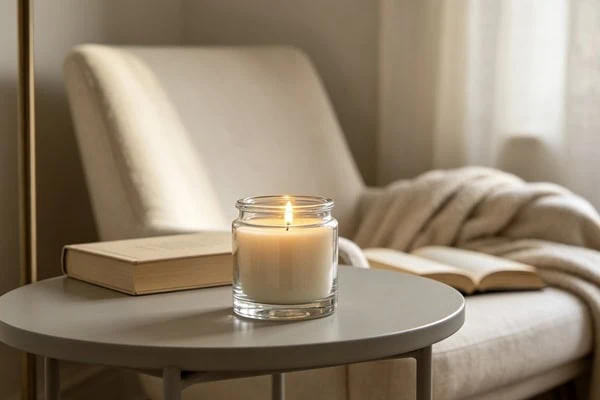
Eliminate Shrinkage Flaws inside Premium Glass Lines
When I established my first glass trading company, my buyers often complained about wet spots forming inside their clear jars. They assumed our factory glass was defective. I visited their workshops and found they were pouring hot wax in chilly, drafty rooms. Rapid temperature drops force vegetable waxes to shrink too fast away from the cold glass sides.
The 84 rule fixes this cosmetic flaw completely. By holding your workspace environment at 84 degrees Fahrenheit, you match the cooling speed of the wax with the thermal profile of the glass shell. The wax settles down smoothly without creating loose air pockets. The table below outlines how this curing temperature fixes your factory yield rates.
Visual Quality Finish Under Different Curing Climates
- Below 66°F (Cold Packing Room): Fast cooling creates deep center sinkholes, rough top textures, and heavy white frosting patches against the glass walls.
- 74°F to 78°F (Average Home Studio): Moderate surface flatness but leaves small visible air gaps along the bottom corner radius of the jar.
- 84°F (The Factory Standard): Perfect slow thermal reduction creates a completely smooth top surface and a permanent, beautiful seal against the glass walls.
Conclusion
Heavy-base 10oz and 12oz glass tumblers are the top-selling container choices for luxury home fragrance brands. Sourcing these premium thick-walled cylinders directly from WXglass keeps your baseline packaging costs low while allowing you to command high retail margins.