
Confused by all the different container heights and widths available in the supply market? Choosing the wrong dimensions ruins your retail box setup and spikes your shipping costs. You waste money on mismatched components.
The standard candle jar size is the 8oz glass container, which typically measures 3.5 inches in height and 2.75 inches in diameter. This standard volume holds approximately 6.5 ounces of net wax weight and dominates mass-market retail sales globally.
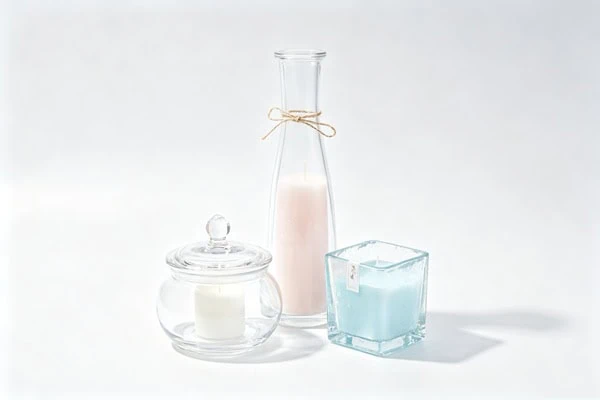
I see too many brand owners buy random clearance vessels that do not fit standard lids. This procurement mistake destroys your product line development. Let me share my manufacturing expertise from WXglass to show you how standard sizes save your business time and money.
What Size Are Candle Jars?
Are you trying to plan a new seasonal candle collection but feel overwhelmed by all the options? Using non-standard container shapes makes it impossible to source cheap labels. You waste days hunting for rare packaging items.
Candle jars come in four major commercial size tiers, which include 2oz to 4oz mini travel sizes, 8oz standard everyday jars, 10oz to 12oz premium luxury tumblers, and heavy 16oz triple-wick holiday bowls.
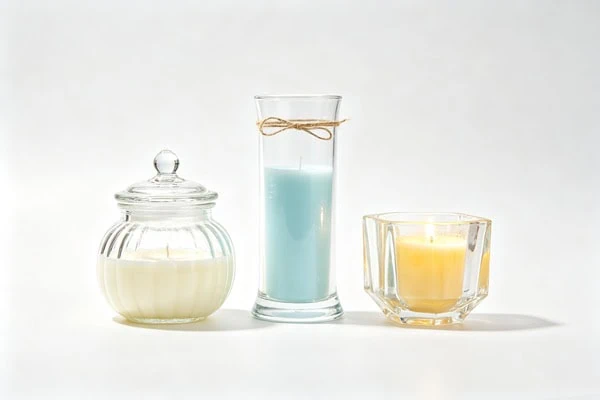
Organize Your Product Options by Volume and Dimension
When I worked as an employee at a glass bottle factory, I watched clients mix random glass diameters into their catalog. This operational habit complicates your assembly line. You must constantly reset your automated labeling machinery, which cuts into your daily factory efficiency.
To grow your small business cleanly, you should select two or three specific size categories. The small 4oz jar acts as a low-cost discovery sample for new online buyers. The medium 8oz glass jar serves as your core retail seller. Save the wide 12oz or 16oz vessels for high-end luxury items. This structure keeps your container storage simple and efficient.
| Jar Category Style | Physical Fluid Volume | Outer Width Dimensions | Outer Height Dimensions | Target Retail Placement |
|---|---|---|---|---|
| Sample Mini Jar | 4 fluid ounces | 2.50 inches | 2.20 inches | Wedding Favors / Gift Boxes |
| Standard Apothecary | 8 fluid ounces | 2.75 inches | 3.50 inches | Everyday Home Fragrance |
| Luxury Tumbler | 12 fluid ounces | 3.25 inches | 3.50 inches | Premium Boutique Display |
| Large Multi-Wick Bowl | 16 fluid ounces | 4.00 inches | 3.00 inches | Living Room Coffee Tables |
Do Candles Lower Cortisol?
Are you missing out on massive boutique sales by selling your candles only as basic smell products? Modern buyers want functional lifestyle products that cure daily anxiety. Failing to highlight wellness benefits limits your target customer base.
Yes, candles lower cortisol levels by shifting the brain into a state of relaxation through the visual rhythm of a flickering flame and the targeted stimulation of natural aromatherapy oils like lavender, bergamot, or sandalwood.
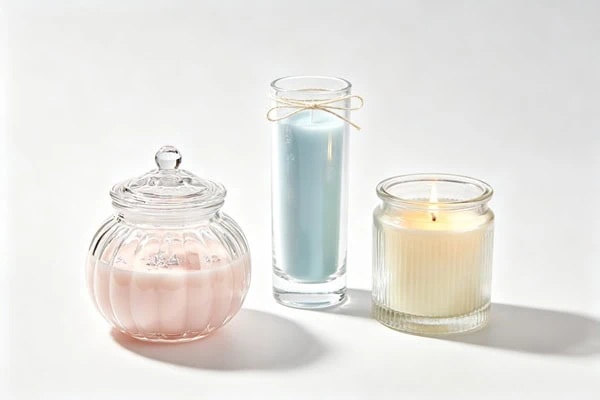
Harness the Power of Light and Scent for Stress Relief
When I established my first glass trading company, I noticed that successful clients do not just sell hot wax. They sell a relaxation experience. Human biology reacts directly to ambient light changes. The yellow glow of a flame inside an amber or frosted glass jar reduces eye strain and signals the nervous system to dump stress.
When you pack premium essential oils inside a standard 8oz container, the liquid wax pool acts as a mini diffuser. The aroma molecules travel straight to the emotional center of the human brain. The table below outlines how specific candle inputs directly target physical stress reduction for your consumers.
- Flame Movement: The slow, steady motion of a single cotton wick lowers blood pressure by providing a focal point for breathing.
- Glass Color Diffusion: Frosted or matte black glass walls soften harsh electric room light, which naturally increases melatonin production.
- Scent Micro-Particles: Clean plant extracts drop active stress hormones inside the human bloodstream during a standard two-hour burn cycle.
Can Candles Affect Your Sinuses?
Do your customers leave negative reviews because your scented products give them sudden headaches or stuffy noses? Severe respiratory irritation stops repeat orders instantly. You lose retail momentum because your formula triggers physical allergies.
Yes, candles can affect your sinuses if they contain cheap paraffin wax, industrial petroleum dyes, or heavy synthetic fragrance oils. These low-grade raw materials release microscopic soot particles that inflame sensitive human nasal passages.
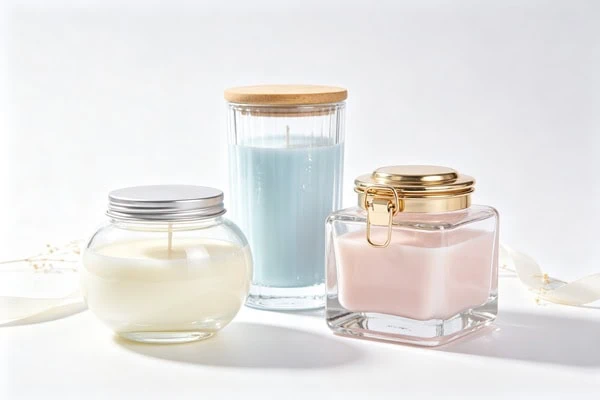
Clean Air Design with Correct Glass Jar Widths
Through my long journey in the glass packaging field, I have seen how poor container choices destroy air quality. If you use a jar with a narrow opening or a tapering neck, you restrict fresh air from feeding the flame. This oxygen starvation splits the chemical burn cycle and creates heavy black soot.
To build an allergen-safe product line, you must transition to natural soy, coconut, or beeswax bases. You must also pair these clean materials with straight-sided glass tumblers. Straight walls allow a constant cycle of fresh oxygen to enter the jar, which helps the wick consume the wax completely without producing sinus-clogging smoke clusters.
| Material Variable | Asthma Safe Choice | High Allergen Risk Choice | Impact on Room Air Quality |
|---|---|---|---|
| Wax Base Type | 100% Pure Soy Wax | Petroleum Paraffin Wax | Cheap wax releases crude oil toxins |
| Container Shape | Straight-Sided Glass | Narrow Neck Bottles | Trapped heat creates heavy smoke |
| Wick Material | Unbleached Cotton | Metal Core / Zinc Wicks | Metal cores release heavy zinc smoke |
What Is the 8 10 Rule for Candles?
Do you struggle to make your standard candles smell strong without creating wet oily pools on top of the wax? Adding random amounts of fragrance oil ruins your wax hardness and compromises your product safety. You end up wasting expensive ingredients.
The 8 10 rule for candles requires you to use between 8% and 10% fragrance oil based on the total physical weight of your wax. This specific ratio ensures a maximum hot scent throw without causing the oil to leak from the container.
Calculate Exact Oil Weights for Standard Containers
At WXglass, I always guide clients through the physical chemistry of candle development. Many new makers make the mistake of measuring their oils using fluid ounce cups. Fluid ounces measure liquid volume, but different fragrance oils have different densities. You must always use a digital scale to weigh your components in grams or ounces.
The 8 10 rule keeps your product line legal and safe. A standard 8oz glass jar does not hold 8 ounces of actual wax weight because wax is lighter than water. It holds roughly 6.5 ounces of wax weight. For a maximum 10% scent load, you will add exactly 0.65 ounces of fragrance oil. This math guarantees that the dense wax locks the fragrance inside its crystal structure until the customer lights the wick.
- Avoid Wax Sweating: Keeping oil levels under 10% prevents liquid fragrance from bead-forming on top of your candles during summer shipping.
- Maintain Flame Control: Correct oil percentages stop the wick from sparking or growing giant carbon mushroom balls that overheat the glass.
- Optimize Unit Costs: Sticking to the 8% benchmark helps you control your raw material budget while still delivering a high-end luxury smell.
Conclusion
Sticking to the standard 8oz glass jar size helps you source cheap stock lids and boxes instantly. Use this popular standard size alongside the 8 10 rule to build a safe, profitable, and highly scalable candle business.