
The dark smudge on your candle jar isn’t just ugly—it’s a problem. This black residue, or soot, is a sign your candle is burning wrong, and it can release harmful particles into your air.
Prevent black soot by keeping your candle wick trimmed to 1/4 inch before each use. A shorter wick burns cooler and creates a smaller flame, which helps to ensure a clean burn and stops soot from forming on the glass jar or your walls.
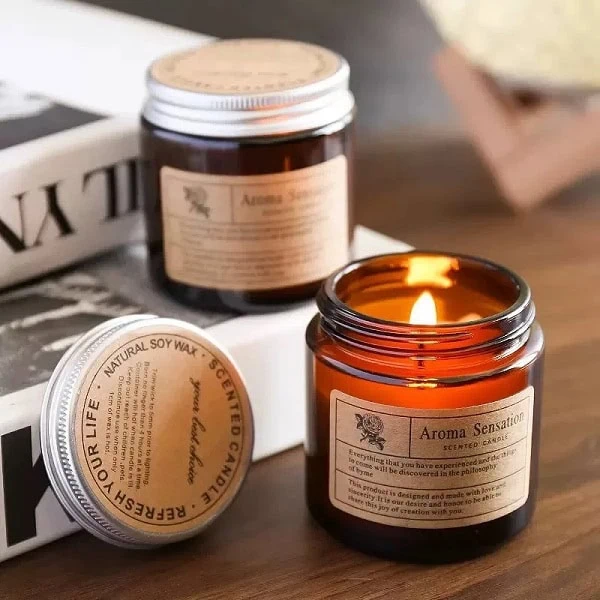
I remember one time my friend Jules from the UK was visiting my factory. He’s a smart guy who runs his own juice company, and he’s super particular about product quality and presentation. He was looking at some of our glass juice bottles, but he noticed a small smudge on one of the samples. It was a minor thing, but it got him talking about how frustrating it is to have products that look dirty, even when they’re not. He said it was just like the black soot that builds up on his scented candles at home. He told me he couldn’t stand it. He said he had to clean his glass bottle candle jars constantly and that it made him question the quality of the candles he was buying. I told him that I also had this problem and that I knew how to fix it. He listened closely because he trusted my experience with glass and quality.
How to stop black soot from candles?
Is it a headache when you see black soot on your candle jars? It’s a common problem for candle lovers. This black soot is caused by a candle that is not burning properly. The wick might be too long, or the candle is in a drafty spot.
To stop black soot from candles, always trim the wick to about 1/4 inch before you light it. Also, burn your candle away from drafts, open windows, or fans. This helps the flame burn steady and clean, which prevents the release of black soot particles.
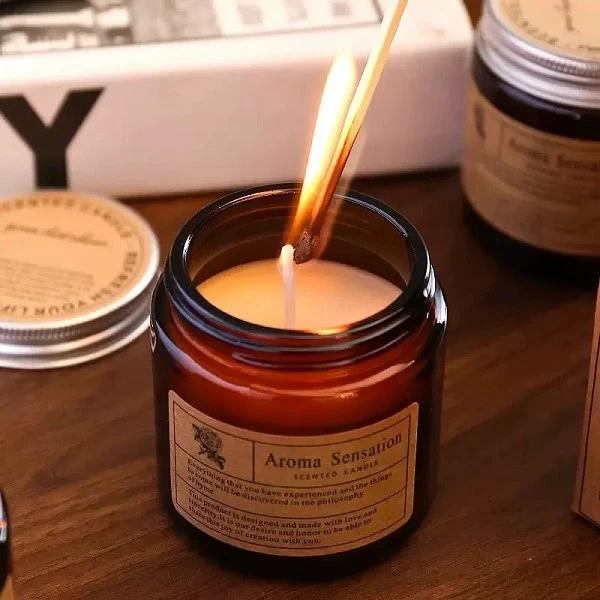
This problem with black soot is more common than people think. It’s often due to the way a candle is burning. When a wick is too long, it creates a larger flame. This large flame takes up too much wax too fast. The result is an incomplete burning of the wax, which releases tiny black particles. These particles are soot. They float up and stick to the inside of the jar. They can also land on other surfaces in your home.
I learned this from my own experience. I used to think all candles were the same. I just lit them and enjoyed the smell. Then I noticed the black marks on my glass candle jars. It bothered me because I work with glass all day at my company, WXglass, and I know how much work goes into making a glass jar look perfect. So, I started to research how to keep my candles clean. I found out that a lot of it is about wick care and where you place the candle. I started a new routine. Before I light a candle, I use a wick trimmer to make sure the wick is short. I also move the candle away from any open doors or vents. The change was amazing. The candles burned clean, and the glass jars stayed clear. It was a simple solution that made a big difference. I made a list of the things I did to prevent soot.
| Problem | Cause | Solution |
|---|---|---|
| Black soot on jar | Wick is too long | Trim the wick to 1/4 inch before each burn. |
| Flame is flickering | Candle is in a drafty area | Move the candle away from open windows or fans. |
| Smoke comes from wick | Wick has debris or is too long | Trim the wick and remove any burnt bits. |
| Tunnelling | Not letting candle burn to the edge | Burn the candle until the wax pool reaches the jar’s edge. |
| Low scent throw | Not burning long enough | Let the candle burn for at least 2-3 hours. |
Why do candles turn black when burning?
Do you ever wonder why your beautiful candle suddenly gets a dark, sooty look? This issue is often caused by an incomplete burning process. The fuel—in this case, candle wax—is not fully consumed by the flame, and the leftover carbon particles are released as smoke or soot.
Candles turn black because of incomplete combustion. This happens when the wick is too long or the candle is in a drafty location, which causes the flame to flicker. The flickering flame does not burn the wax fuel completely, and this releases black carbon particles, which then stick to the candle jar or other surfaces.

The physics behind candle soot is simple. A candle needs a steady flow of oxygen to burn cleanly. The flame uses the oxygen to turn the liquid wax into a gas. This gas then burns, which creates light and heat. When the wick is too long, the flame gets too big. This big flame takes up more oxygen than the candle can provide. It’s like a car engine that is not getting enough air. The engine runs “rich” and it produces a lot of black smoke. This is what is happening with your candle.
I can share a quick story. I was talking with Jules, my friend from the UK. He was telling me about his juice factory. He said that even a small problem with a machine can cause big issues. For example, if a machine that fills bottles is not working right, it can cause some bottles to overflow or underfill. This hurts his product quality. I told him that the same idea applies to candles. If the wick is not set up correctly, it cannot do its job well. This leads to black soot. I also explained that the type of wax can play a role. Some waxes are more likely to create soot. For example, paraffin wax can be more prone to soot than natural waxes like soy or beeswax. The additives in some scented candles can also affect how they burn. Fragrance oils and dyes can change the combustion process. It’s a mix of a few things that all come together to create the soot problem. It’s not just one thing. It’s about getting the right balance of wick size, wax type, and environment.
| Fuel Type | Likelihood of Soot | Characteristics |
|---|---|---|
| Paraffin Wax | Medium to high | Made from petroleum, can be more prone to sooting. |
| Soy Wax | Low to medium | A natural, plant-based wax; generally burns cleaner. |
| Beeswax | Low | Natural, burns with a very clean, bright flame. |
| Palm Wax | Medium | Plant-based, often used in pillar candles. |
| Gel Wax | High | Burns at a high temperature, can release soot easily. |
How to prevent a candle wick from turning black?
Do you look at your candle and see the top of the wick covered in a black mushroom-like shape? This is a sign that your wick is not burning right. This carbon buildup is a major cause of soot. This happens when the wick is too long for the candle.
To prevent a candle wick from turning black, you must trim the wick before every use. Use a wick trimmer to cut the wick to about 1/4 inch. This practice keeps the flame small and steady, which helps the wick to burn cleanly without forming a black buildup at the tip, also known as mushrooming.
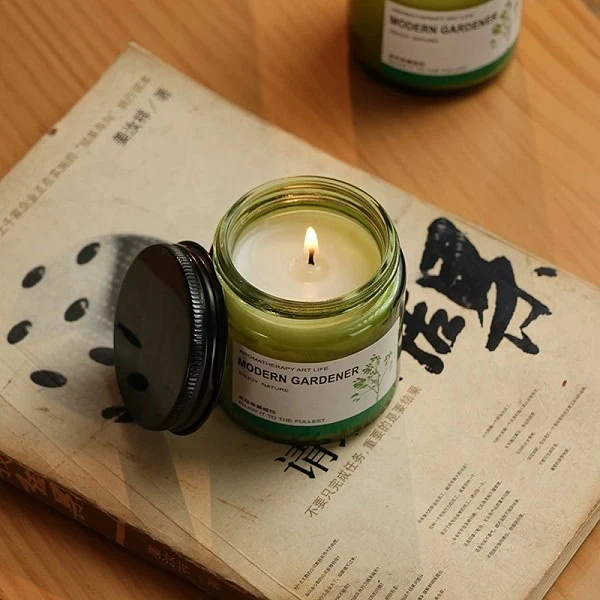
This black mushroom on the wick is what candle makers call mushrooming. It happens when the wick is too long. The long wick draws up more wax than the flame can burn. This creates a big, unstable flame. The top of the wick gets too hot and starts to create carbon buildup. This carbon looks like a black ball. It can break off and fall into the wax pool. This makes the wax dirty. This black part of the wick is the main reason why black smoke is produced.
When I started my business, WXglass, I learned a lot about how products are made. I had to learn the small details. I had to learn how to make a glass bottle that did not have any defects. A small defect in a glass bottle can make a customer unhappy. I think about this when I look at a candle. The wick is like the heart of the candle. If it is not working right, the whole candle is not working right. So, I learned to pay attention to the wick. I bought a wick trimmer. It looks like a small pair of scissors with a bent end. It makes it easy to reach down into the jar and cut the wick. It is a simple tool, but it makes a big difference. I do this every time before I light a candle. It is a small thing, but it keeps the candle looking good and burning clean. The wick stays a light color, and the flame stays a good size. I also use a snuffer to put out the candle. This stops the wick from smoking too much when I am done. These simple steps make a big difference.
| Wick-related problem | Cause | Solution |
|---|---|---|
| Mushrooming | Wick is too long | Trim the wick to 1/4 inch before each burn. |
| Wick is drowning | Wax pool is too deep | Pour off some excess wax to keep the wick exposed. |
| Wick is crooked | It was moved while wax was hot | Center the wick after extinguishing the flame. |
| Black smoke | Wick is too long or candle in draft | Trim the wick and move the candle to a stable location. |
Is it bad to breathe in soot from candles?
Have you ever worried about the black soot from your candles? It is a valid concern. This soot is more than just a cleaning problem. It can be a health issue. The black particles that a sooty candle releases into the air can be a risk for your health.
It is not good to breathe in soot from candles. Soot is made of fine particles that can enter your lungs. These particles can cause breathing problems, especially for people with asthma or other respiratory conditions. To reduce this risk, always burn a candle with a trimmed wick in a well-ventilated room.
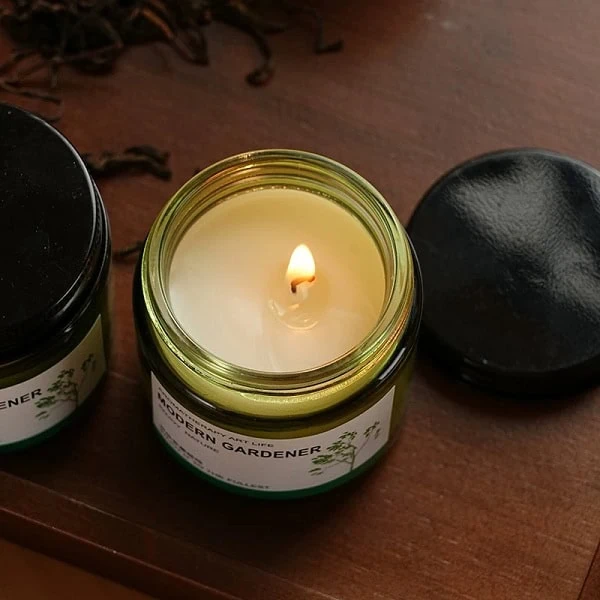
The black particles that come from a sooty candle are called particulate matter. These are very small particles. They are so small that they can go deep into your lungs. They can even get into your bloodstream. Over time, breathing in these particles can lead to health problems. It’s a bit like the pollution you hear about in big cities. Those small particles can cause issues with your lungs and heart. So, when you see soot on your candle jar, it is a warning. It is a sign that the air in your room is getting a bit dirty. This is especially true in a small room with no open windows.
I once talked to Jules about this. He is very focused on product quality for his juice company. He cares a lot about what goes into his products and how they are made. He would not sell a juice with a bad ingredient. I told him that I think about this with candles, too. The quality of the burn matters. The soot from a bad burn is like a bad ingredient in a product. It can cause problems for the user. I explained that the best way to avoid this is to prevent the soot in the first place. It is easier to prevent a problem than to fix it later. This is a lesson I learned in my business. Quality control is about stopping problems before they start. It is about making sure the glass bottles are perfect before they leave the factory. It is the same for a candle. You want to make sure the burn is perfect before you start. So, I am always careful about where I place a candle. I make sure it is not in a draft. I also make sure the wick is trimmed. These simple steps make the candle burn cleaner. This makes the air cleaner, too. It makes the whole experience better and safer.
| Soot Health Risk | Description | How to Avoid |
|---|---|---|
| Respiratory issues | Soot particles can enter lungs and cause irritation. | Trim the wick and place the candle in a draft-free area. |
| Asthma flare-ups | Soot can trigger asthma symptoms. | Use a clean-ening candle or a flameless option if sensitive. |
| Air quality reduction | Soot adds pollutants to the indoor air. | Ensure good ventilation in the room while burning a candle. |
| Particle buildup | Soot can settle on furniture and walls. | Use a clean-burning candle and keep it away from surfaces. |
Conclusion
By trimming the wick and avoiding drafts, you can prevent black soot from candles. This simple habit keeps your candle jar clean and helps you breathe cleaner air.
