
Are your candle jars getting sooty? The frustration is real. You’ve got a beautiful glass jar, but it gets covered in black soot after just a few burns. This problem often comes down to one thing: the type of wax you’re using.
Soy wax generally burns cleaner than paraffin wax because it’s a natural, vegetable-based product. This means it produces less soot and no petrochemical toxins, making it a healthier choice for indoor air quality. Paraffin, a petroleum byproduct, tends to create more black soot and can release harmful chemicals into the air as it burns.
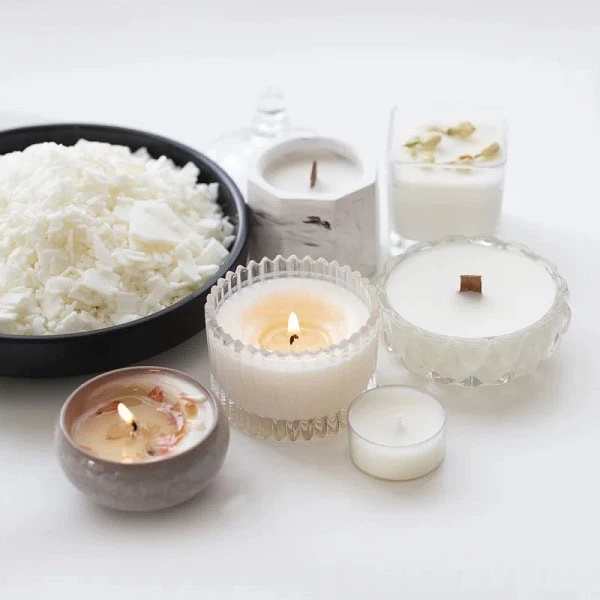
When I first started in the glass bottle industry, I noticed a lot of my clients selling candles were having issues with soot. This was a big problem because it made their elegant glass jars look dirty. I knew I had to learn more about the different types of wax to help them find a solution.
Does soy wax burn cleaner than paraffin wax?
You’ve seen it. That black residue on the inside of your candle jar. It’s a huge pain. This soot is a sign that your wax is not burning as clean as it should be.
Yes, soy wax does burn cleaner than paraffin wax. This is because soy wax is a natural, plant-based wax made from soybeans, while paraffin wax is a refined byproduct of petroleum. Soy wax burns at a lower temperature, which results in a slower, more complete burn with less soot.
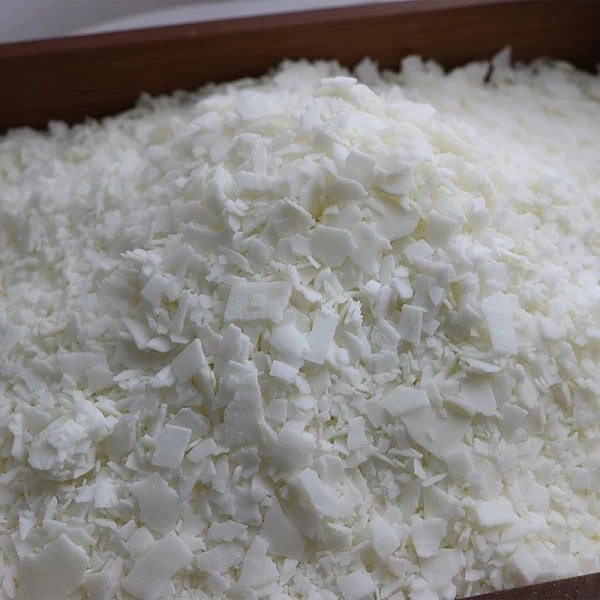
I have seen many of my customers struggle with this issue. They would come to me needing new candle jars because their old ones were so stained with soot they were unusable. The soot problem is directly related to the chemistry of the wax. Paraffin is a fossil fuel derivative. When it burns, it can release things like benzene and toluene. It also has a higher melting point. This can lead to a hotter flame. A hotter flame can cause incomplete combustion. Incomplete combustion is the main cause of soot. Soy wax, on the other hand, comes from a renewable source. It has a lower melting point. This means it creates a cooler flame. The cooler flame allows the wax to burn more evenly and completely. This reduces the amount of soot produced. The cleaner burn of soy wax is a major reason why many brands are switching to it. This switch is not just for air quality but also to keep their glass jars looking clean and new.
Paraffin Wax vs. Soy Wax: A Detailed Comparison
| Feature | Paraffin Wax | Soy Wax |
|---|---|---|
| Source | Petroleum byproduct | Hydrogenated soybean oil |
| Combustion | Often incomplete | Typically complete |
| Soot Production | High | Low |
| Toxins | Can release benzene, toluene | Generally non-toxic |
| Melting Point | High (120-150°F) | Low (115-120°F) |
| Burn Time | Shorter | Longer |
| Scent Throw | Stronger hot throw | Stronger cold throw, good hot throw |
| Cost | Less expensive | More expensive |
When I talk with my clients, especially those focused on a premium image, I always recommend soy wax. It’s a simple change that makes a big difference in the final product. It makes the candle look better. It also makes the customer feel better about what they are burning in their home.
Which candle wax burns the cleanest?
You want a clean-burning candle. You don’t want a smoky mess. Finding the right wax is the key to having a candle that smells great and doesn’t dirty your jar.
Soy wax and beeswax are considered the cleanest-burning candle waxes. Both are natural waxes that are renewable and produce very little soot. Beeswax is a natural byproduct of bees, and soy wax is made from soybeans. Both of these waxes are free from the petroleum-based compounds found in paraffin wax.
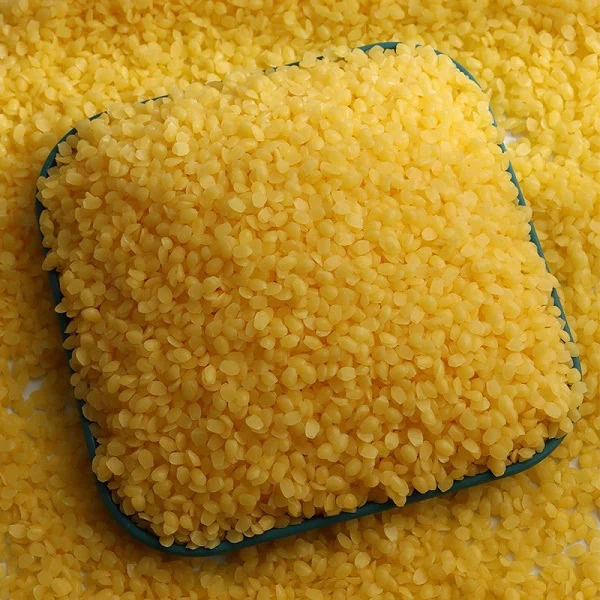
When I first helped a client switch from paraffin to soy, the difference was huge. They told me their customers stopped complaining about dirty jars. This made me look even deeper into other clean options. Beeswax is another great choice. It’s a natural wax produced by honeybees. It has a high melting point, which makes it burn very slowly. This slow burn means it produces very little soot. Beeswax also releases negative ions when it burns. These ions can help to clean the air. They bind with dust, pollen, and other pollutants. This makes the pollutants fall to the ground. This makes beeswax a top choice for people with allergies. Besides beeswax and soy wax, there are other natural waxes like coconut wax and palm wax. Coconut wax is a very clean-burning wax. It also holds a fragrance well. Palm wax can be a clean-burning option but is often not a sustainable one. This is because of the way palm oil is harvested. The best choice for a client depends on their brand’s values. If they want a completely natural product, beeswax or soy wax is the best bet. If they want a more affordable but still cleaner option, a blend of soy and coconut wax can work well. I always advise my clients to test different waxes in their specific jars. This is important because the jar size and wick type affect how the candle burns. Getting the right wick for the wax and jar is a critical step in making a truly clean-burning candle.
Which wax is best for jar candles?
You’ve got the perfect jar. But what’s the best wax to fill it with? The right wax makes all the difference in a successful candle.
Soy wax is often considered the best wax for jar candles because it has a low melting point, which allows it to adhere well to the sides of glass jars and creates a smooth surface after each burn. Its clean-burning nature also prevents the unsightly soot buildup that can ruin the look of a clear glass jar.
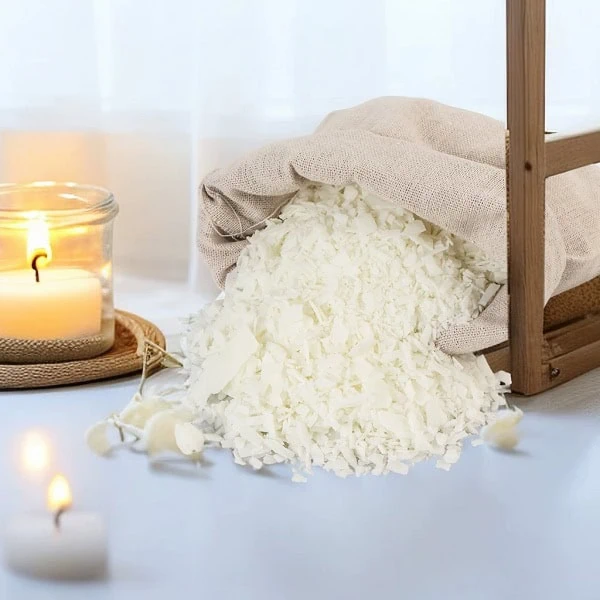
Jars are a popular choice for candles. They offer a safe container for the wax. The right wax makes a big difference in how the candle performs in the jar. Soy wax is an excellent choice for jars. It has a property called “jar adhesion.” This means it sticks to the side of the glass. This prevents air pockets. These air pockets can make the candle look bad. Soy wax also has a lower melting point. This allows the candle to create a full melt pool. A full melt pool means the wax melts evenly to the edge of the jar. This prevents “tunneling,” where only the center of the candle burns down. Tunneling wastes wax and scent. Soy wax is also great at holding fragrances. This is important for jar candles because the scent needs to fill a room. Soy wax releases the scent slowly and steadily as it burns. This gives a great fragrance experience. I once had a client who was using paraffin wax in his jars. He was having problems with tunneling and sooty jars. I suggested he try a soy wax blend. He made the switch, and his sales went up. His customers loved the clean look of the jar and the even burn of the candle. I explained to him that the low melting point of soy wax was perfect for his jar size. We also tested a few different wicks to make sure the burn was perfect. This showed me that it is not just about the wax. It is about the right wax for the right jar. The right wick also plays a big role. It is all about finding the right combination. This ensures the best performance and a happy customer.
Is paraffin wax good for jar candles?
You might be tempted to use paraffin wax. It is cheap and easy to find. But is it the right choice for your candle jars?
Paraffin wax can be used for jar candles, but it is not ideal. It has a higher melting point and a tendency to produce more soot and smoke. This can lead to a dirty jar over time. While it is cheaper and has a strong scent throw, the negative effects on the jar’s appearance and air quality can be a drawback.
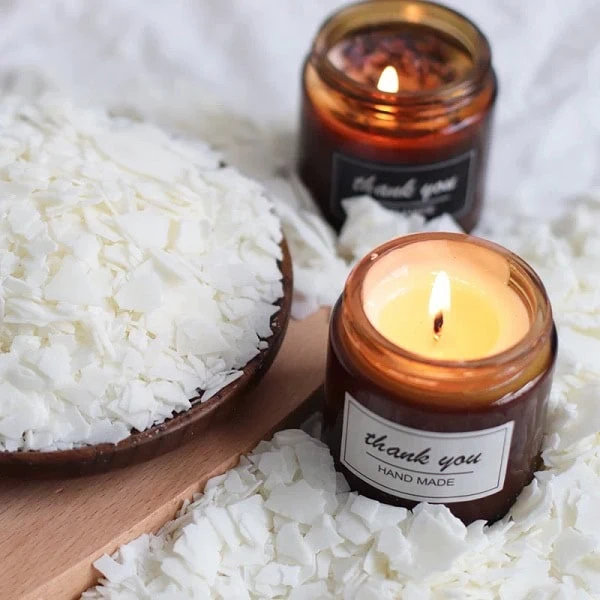
I have seen many businesses start with paraffin wax. This is often because it is cheap. It is also a very popular wax. Paraffin wax has a strong “hot throw.” This is the term for how much scent the candle gives off while it is burning. This is a big selling point for many candle makers. But the problem is that this strong hot throw comes with some issues. The higher melting point of paraffin wax can cause problems. It can make the candle burn too hot. This can lead to the soot we have been talking about. The soot sticks to the inside of the glass. This makes the candle look old and dirty. It can also cause the glass to get very hot. This can be a safety concern. Another issue with paraffin wax is its tunneling problem. Because of its high melting point, it often does not melt all the way to the edge of the jar. This creates a tunnel down the middle of the candle. This leaves a lot of unused wax on the sides. This is a waste of both money and scent. For my clients, I often tell them to think about their brand’s long-term image. While paraffin wax is cheaper upfront, the complaints from customers about dirty jars and poor performance can hurt their brand. For a brand that focuses on a clean and natural image, paraffin wax is not a good fit. I always advise them to think about the end-user experience. A clean jar and a long-lasting, even burn are what customers really want. Paraffin wax often fails to deliver on these points, especially in glass jars.
Conclusion
Soy wax is the best choice for jar candles because it burns cleaner. It is a natural option that prevents soot buildup and provides a beautiful, long-lasting product.
