
Your perfume bottle is just fine, but you want it to scream luxury. A dull bottle can sink a great fragrance. I will show you the design secrets that make glass gold.
The transformation of a simple glass bottle into a luxury perfume vessel hinges on several key design elements: the bottle’s silhouette (shape), the weight and clarity of the glass, the detail and material of the cap, and sophisticated finishing techniques like frosting, polishing, and custom color coating. These elements must work together to create a distinctive, tactile, and visually stunning experience for the consumer.
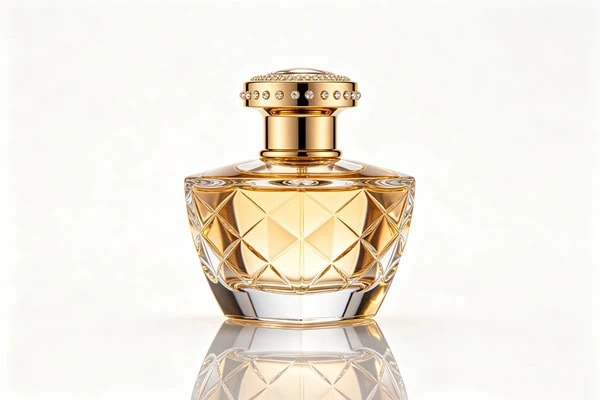
From my start sweeping floors at a glass factory to running WXglass, I’ve seen thousands of bottles. It’s never just about holding liquid; it’s about crafting a dream. The bottle is the silent spokesperson for the fragrance inside, and getting the design right is the difference between being forgotten and becoming an icon. Let’s dive into what exactly gives a glass bottle that premium feel.
What are the foundational elements of a perfume bottle’s design?
Designers often focus only on the label or box. This ignores the bottle’s fundamental structure, which is the main touchpoint. The core elements are the bottle, the neck, and the closure—each a canvas for luxury.
The foundational elements of a perfume bottle are the primary body, the neck/collar, and the cap/closure system. The body establishes the overall volume and shape, the neck securely holds the atomizer, and the closure protects the fragrance while providing the main tactile interaction. A luxury bottle elevates these by focusing on precision engineering and high-quality material selection for every single component.
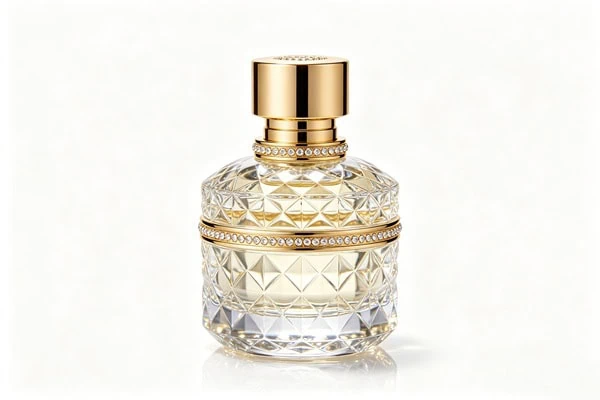
When I meet with a new client, we break down the bottle into these basic parts. It is like building a house. You need a strong foundation before you worry about the paint color. A simple bottle from us at WXglass might have 5 to 7 components, and a complex luxury one can have 15 or more. Every part must feel right. We look at three critical areas that turn basic glass into premium packaging.
Glass Body Aesthetics and Engineering
The glass body is where the weight and clarity truly shine. Heavy-bottomed glass is crucial because it makes the bottle feel substantial, signaling quality and cost. We achieve this with precise mold design and controlled pouring. The clarity, or “brilliance,” of the glass is also key. Opting for high-flint (low iron) glass minimizes the greenish tint common in standard glass, making the fragrance color appear true and the glass look like crystal. The symmetry must be perfect. Any imperfection or seam line will destroy the illusion of luxury immediately. This is why advanced quality control is non-negotiable for luxury runs.
The Role of the Neck and Atomizer
The neck of the bottle connects the body to the cap. In luxury design, the neck is often minimized or cleverly hidden by a custom collar. The atomizer itself is vital. Luxury brands use atomizers that deliver a fine, controlled mist, not a cheap squirt. We help clients select atomizers with smooth, quiet mechanics and color-matched finishes (gold, silver, or matte black) that seamlessly blend into the design. We often use crimpless neck finishes for high-end products, allowing for a cleaner aesthetic, though this requires more complex machinery for filling.
The Crown Jewel: Cap and Closure
The cap is perhaps the most important luxury cue. It’s what the customer touches and uses most often. A luxury cap must be heavy and often made from high-density materials like Surlyn, Zamac (a zinc alloy), or polished wood. The closure method also matters. A magnetic cap offers a satisfying “click” that cheap plastic caps cannot match. The inside fit must be tight enough to seal but loose enough to open easily. The detail, like a subtle logo engraving on the cap’s top, adds to the perceived value.
| Element | Luxury Feature | Manufacturing Focus (WXglass) |
|---|---|---|
| Glass Weight | Extra-thick base and walls | Controlled volume of molten glass; high-pressure molds. |
| Glass Clarity | High-Flint or crystal-grade glass | Low-iron raw materials; precise temperature control. |
| Cap Material | Zamac, Surlyn, or heavy custom resin | Precision injection molding; weight-testing for tactile feel. |
| Closure | Magnetic or perfectly fitted friction | Tight tolerance checks on neck finish and cap internal diameter. |
What makes a perfume vessel visually and tactilely luxurious?
Many bottles look nice, but few feel luxurious. A bottle that lacks texture or weight is a missed opportunity for a strong brand connection. Luxury comes from sophisticated secondary processing like polishing, frosting, and custom surface treatments.
A perfume vessel achieves visual and tactile luxury through high-level finishing treatments, which engage the consumer’s senses. These include perfect polishing for high-gloss brilliance, acid-etch frosting for a velvety matte touch, bespoke color coatings that require specialized UV curing, and precise, deep-level decoration such as hot stamping or screen printing. This craftsmanship transforms plain glass into a sensory object.
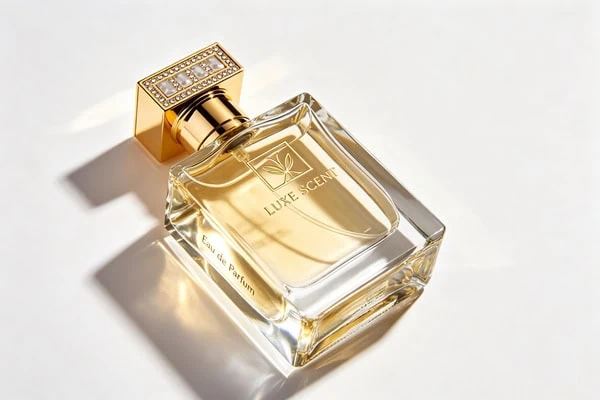
When I look at a bottle from a brand like Chanel or Dior, I don’t just see the shape. I see the time and effort that went into the surface. The hand-feel is critical. A client might say, “I want it to feel expensive.” This is what they mean. It is the weight, the coolness of the glass, and the texture. It is a full sensory experience. Here are the three main ways we at WXglass inject this level of luxury.
Surface Treatment Techniques
Polishing and frosting are the two ends of the luxury spectrum. Perfect polishing gives the glass a brilliant, flawless finish, maximizing light refraction and making the color of the perfume pop. Conversely, acid-etch frosting creates a uniform, silky matte surface that feels soft and luxurious in the hand. This method is superior to spray frosting because it is permanent and has a finer, more consistent texture. We often combine these, frosting the body but leaving a window polished clear to show the liquid level. The precision of the transition zone is a sign of true quality manufacturing.
Custom Color and Coating
Color is a powerful emotional trigger. Custom color coatings, where the glass is sprayed with a high-performance paint and then cured, allow for limitless brand expression. We work with clients to develop custom Pantone shades, metallic finishes, or opaque black coatings. Achieving a uniform, defect-free color, especially on a curved surface, is technically challenging. The coating must be resistant to chemicals and scratching, which requires high-quality materials and controlled environmental spraying booths. A gradient effect, fading from opaque to clear, is a very high-end and difficult technique that signals bespoke manufacturing.
Intricate Decoration and Branding
The final layer of luxury is decoration. Hot stamping (foil application) is often used for logos and text, giving a metallic, raised, and highly reflective finish in gold or silver. Screen printing is used for detailed color graphics, but the key is the quality of the ink and the firing process to ensure durability. We also help clients with deep engraving, where the design is etched directly into the glass mold, creating a permanent, subtle, and expensive-looking texture. This level of detail ensures the brand mark cannot be peeled off or damaged, signifying permanence. The alignment of the decoration to the mold seam must be perfect. If it is off by even a millimeter, the bottle is a reject.
| Decoration Method | Effect Achieved | Key Luxury Application |
|---|---|---|
| Hot Stamping | Metallic, reflective, tactilely raised | Logo on the bottle shoulder or cap; rim decoration. |
| Screen Printing | Detailed color graphics; text | Ingredient lists; brand motif in custom colors. |
| Deep Engraving | Subtle, permanent texture in the glass | Monogram or pattern integrated into the bottle’s structure. |
| Color Coating | Full-coverage opaque or transparent color | Bespoke shade matching; gradient/ombre effects. |
How can glass perfume bottles be made as decorative objects?
Standard perfume bottles are often hidden in a cabinet after use. The lack of decorative value is a missed opportunity for continuous brand visibility. Design the bottle to function as a permanent piece of home decor through complex geometry, artistic form, and presentation casing.
To transform glass perfume bottles into decorative objects, the design must prioritize artistic form over simple function, often featuring complex, sculptural geometries (like twists or facets), integrating custom-made accessories (such as tassels or metal stands), or utilizing oversized formats with elaborate closures. The goal is to make the bottle beautiful enough to display permanently, thereby extending the brand’s presence beyond the vanity and into the customer’s living space as a cherished keepsake.
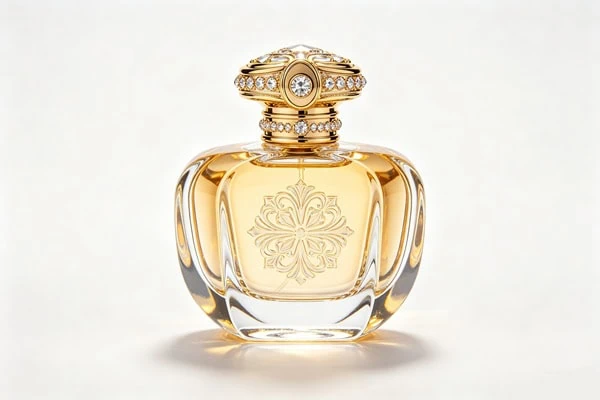
I always tell my team that a great perfume bottle should earn a permanent spot on a shelf or a desk. It should be a piece of glass art, not just a container. This is a crucial element for ultra-luxury and niche brands who understand that their packaging is part of the interior design. It makes the purchase feel more like buying a sculpture than a disposable product. We move beyond simple shapes to create something truly memorable.
Complex Geometries and Sculptural Form
Moving from simple squares or cylinders to complex geometries instantly elevates the bottle. This means using molds for asymmetrical shapes, sharp facets, or even internal voids and bubbles that catch the light uniquely. We use computer-aided design (CAD) to engineer these complex forms, which requires extremely precise mold making to ensure the molten glass fills every intricate cavity perfectly. A bottle that looks like a hand-carved crystal is always going to be a decorative object. This complexity is hard to mass-produce, which is why it signals high value.
Integration with External Accessories
The bottle can be made a decorative object by integrating external elements. This can be a custom-designed base or stand made of metal or wood that the bottle sits in, turning it into a presentation piece. Or it can involve wrapping the bottle in decorative cord, leather, or a metal cage. We help clients engineer the glass to have small anchor points or indentations so these accessories can be attached securely. These additions turn the bottle into a mixed-material artwork that has a weight and presence far greater than glass alone.
The Art of Presentation Packaging
The box or case is also part of the decorative concept. For true luxury, the presentation often involves velvet lining, custom-cut foam, and a heavy, rigid box that opens like a treasure chest. The box itself is designed to be kept. Sometimes, the bottle is oversized (500ml or more), making it inherently an object of display. These formats are less about daily use and more about being a permanent fixture, often sold as limited editions or refills for smaller, travel-sized spray bottles. This approach reinforces the idea of the bottle as an enduring collectible item.
Conclusion
The transformation from a basic glass container to a luxury perfume vessel involves precision in every detail: heavy-weighted glass, perfect clarity, sophisticated finishing like frosting or polishing, and high-quality, tactile caps. At WXglass, our mission is to deliver these elements, turning your fragrance vision into an iconic, high-value package.