
You’ve lit a beautiful candle, only to see ugly black soot stains on the glass. This common problem ruins the clean look of your products and can disappoint customers. It’s a frustrating issue.
Choosing the right wick is the most important step to prevent soot in your candle jars. The correct wick size and type ensure a clean, even burn. A wick that is too big for the container will create excess flame and smoke. A wick that is too small won’t burn correctly and will leave a poor-looking candle.
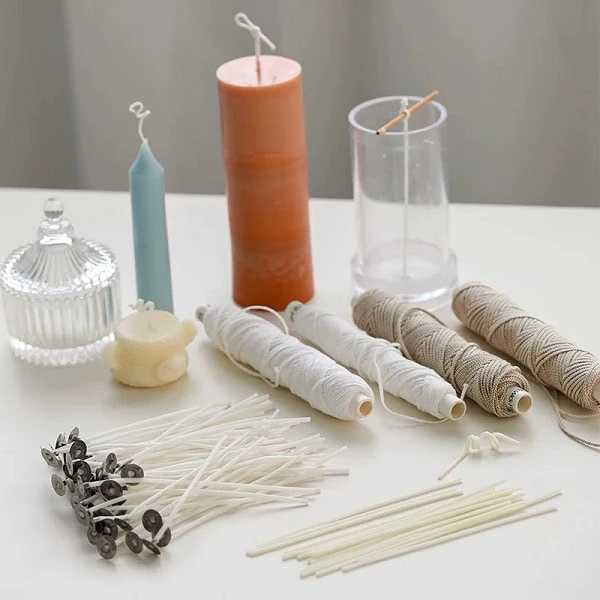
I’ve been in the glass bottle and container industry for a long time. I have seen how small details can make a big difference for your product and for your customers. I’m going to share some of my knowledge about wicks and how they impact the quality of your finished candles.
How to choose the correct candle wick?
It’s difficult to know which wick is the right one. You might feel confused by all the options available. The wrong wick can make your candle project a failure.
The best way to choose the correct candle wick is to test different types and sizes. You should consider the type of wax you are using, the diameter of the candle jar, and the fragrance or color additives. A larger jar needs a thicker wick or multiple wicks. Soy wax requires a different wick than paraffin wax.
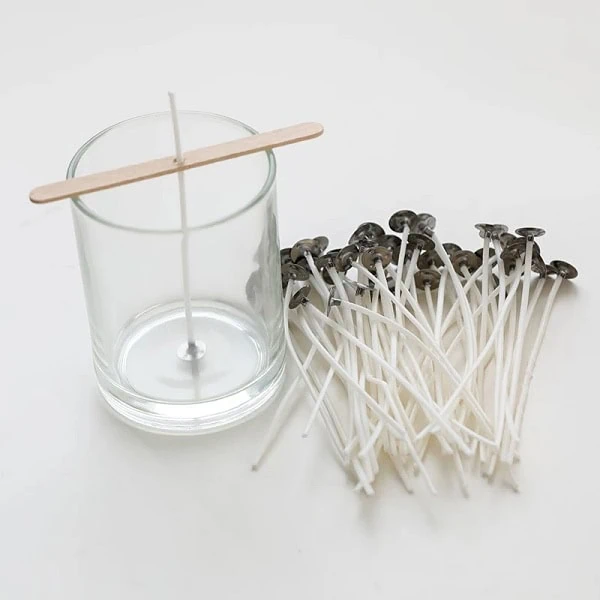
I remember when one of my clients was having problems with their new candle line. They had designed beautiful glass jars, but their candles were not burning well. The wicks were wrong, and the candles were producing a lot of soot. We had to break down the process step by step to find the right solution. You must consider several factors when choosing a wick. These factors include the wax type, the jar size, and any additives.
Wax Type: Different waxes have different burning properties. For example, soy wax is denser than paraffin wax. It burns at a lower temperature. This means that a soy candle needs a thicker wick to create a proper melt pool. A wick for a paraffin candle will be different. It will not work well with soy wax.
Jar Diameter: The width of your glass jar is a critical factor. The wick must be able to create a melt pool that reaches the edge of the jar. This is called a full melt pool. If the wick is too small, the candle will tunnel down the center. This leaves unburnt wax on the sides of the jar. If the wick is too large, the flame will be too big. It will cause the jar to overheat. It will also create excess soot.
Additives: Fragrance oils and dyes can change how a candle burns. Some fragrance oils can clog a wick. This prevents the candle from burning correctly. This is why you must test your candles. You need to test them with the exact formula you plan to sell.
| Wick Material | Best for | Description |
|---|---|---|
| Cotton Wicks | Paraffin, Soy, Palm Wax | These wicks are common. They are made from braided cotton. They provide a good, consistent burn. They are good for a wide range of waxes. |
| Wood Wicks | Soy, Coconut Wax | These wicks make a crackling sound. They are good for a unique customer experience. They work well with natural waxes. They need careful testing to get the right size. |
| Zinc Wicks | Paraffin Wax | These wicks have a metal core. They stand up straight in the wax. They are good for candles with high fragrance load. They can sometimes produce more soot than other types. |
| Paper Wicks | Soy, Paraffin Wax | These wicks have a paper core. They provide a rigid structure. They are good for container candles. They can be a good option for a clean burn. |
How to keep candles from leaving soot?
Do you find that your beautiful glass jars are getting dirty with black soot? This problem makes your product look bad. It is a sign of a poor-quality candle.
To prevent candles from leaving soot, you must use the correct wick for your wax and jar size. You must also trim the wick to a quarter inch before each use. This helps to maintain a small, stable flame. A large, flickering flame produces more soot. You should also keep the candle away from drafts. Air movements can make the flame unstable.

I have helped many clients with their packaging. I have seen how a high-quality glass jar can make a product look premium. But a sooty candle can ruin that image. Soot is made of carbon particles. It happens when the fuel (the wax) is not burned completely. This is called incomplete combustion. To prevent this, you need to manage the burn of the candle. A few simple steps can make a big difference.
Wick Trimming: This is the most important part of candle care. A long wick creates a big flame. A big flame burns more wax than it can handle. This creates a lot of smoke and soot. You should always trim the wick to about a quarter inch before you light the candle. This makes sure the flame is small and efficient. You can buy special wick trimmers. Or you can use a pair of scissors.
Proper Wick Size: We talked about this before. If the wick is too big for the jar, it will create a large flame. This flame will burn too hot. It will produce soot. You need to match the wick to the diameter of your glass container.
Keep Away from Drafts: A draft is a movement of air. It can be from a window, a door, or an air conditioning vent. A draft makes the flame flicker. A flickering flame is not stable. It is not burning cleanly. This causes soot. You should burn your candles in a still, calm area.
Testing: You must test your candles. You must test them with your specific wax, fragrance, and jar. A wick that works for one type of wax may not work for another. I have seen clients who use the same wick for different products. This always leads to problems. You must test each new product.
| Problem | Cause | Solution |
|---|---|---|
| Black soot on jar | Wick is too big | Use a smaller wick or multiple wicks |
| Tunneling | Wick is too small | Use a larger wick or multiple wicks |
| Small flame | Wick is clogged or too small | Use a different wick type or a larger wick |
| Flame flickers | Draft or wick is too large | Move the candle or use a smaller wick |
Which candles don’t leave soot?
You want to make a product that is high quality. A candle that leaves black marks is not high quality. It makes your customers think your product is cheap. They might not buy from you again.
Candles that are properly made with the right wick and wax blend will not leave soot. Soy wax and beeswax candles are known for burning cleanly. The most important factor is the correct wick size for the candle’s diameter. A correctly sized wick ensures a steady, clean burn. High-quality fragrance oils also help to prevent soot by burning cleanly.
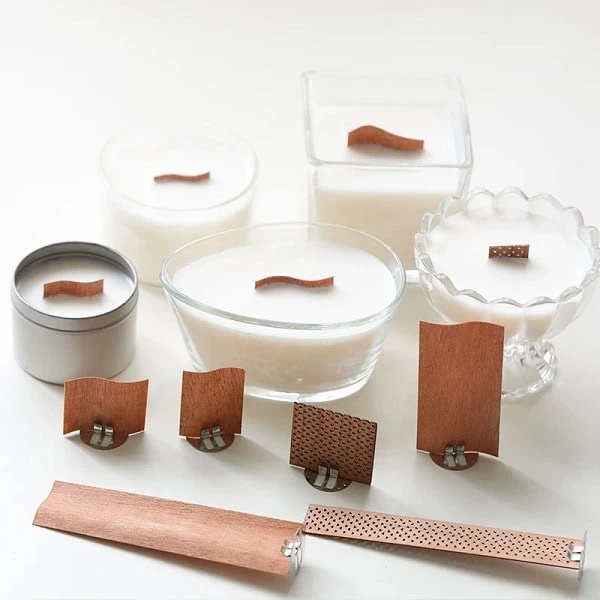
I’ve learned that quality is not an accident. It comes from attention to detail. This is true for glass bottles and for candles. A lot of people ask me which candles are soot-free. The simple answer is that any candle can be soot-free if it’s made correctly. The type of wax can help. But it is not the only factor. The biggest factor is the wick.
Wax Type: Certain waxes are naturally cleaner burning. Soy wax is a great example. It is a vegetable-based wax. It burns at a lower temperature than paraffin. This helps to reduce the amount of soot produced. Beeswax is also known for a very clean burn. It has a high melting point. Paraffin wax can burn cleanly, but it needs a more specific wick and careful management.
Wick Type: As we have discussed, the wick is the most important part. A high-quality wick, correctly sized for the container, is the key. Wood wicks and braided cotton wicks can produce very little soot if they are chosen correctly. Zinc wicks sometimes get a bad reputation. But if they are used properly they can also burn cleanly.
Fragrance and Dyes: Some fragrances can cause problems. Fragrance oils that are not made for candles can produce more soot. You should use high-quality fragrance oils. Dyes can also affect the burn. They can clog the wick. This causes an incomplete burn and more soot. You should test your fragrance and dye with your wick.
The Container: The size of the container matters. A candle in a wide-mouth jar will need a larger wick than a candle in a narrow jar. My company, WXglass, makes glass containers. I know how important the container is. It is the foundation for your candle. A good container helps the candle burn evenly. It also helps to prevent hot spots. A hot spot can cause more soot.
| Candle Type | Burn Characteristics | Notes |
|---|---|---|
| Soy Wax Candles | Burns slowly and cleanly. | Good for a long, soot-free burn. Requires careful wick selection. |
| Beeswax Candles | Burns very clean with a natural scent. | High melting point. Very low soot production. |
| Paraffin Wax Candles | Can burn cleanly but needs proper wick. | Can have a high fragrance load. Must be made with care to avoid soot. |
| Coconut Wax Candles | Burns very clean and has a great scent throw. | Good for a luxurious candle. Good for blending with other waxes. |
How to prevent a candle wick from turning black?
You light a candle. The wick looks good. But after a while, it gets a big black mushroom on top. This is ugly. It also means you will have soot. It is a sign of a problem.
To prevent a candle wick from turning black and “mushrooming,” you must trim the wick before each use. A mushroomed wick is a sign of a flame that is too big. This happens when the wick is too long for the amount of fuel it is pulling up. Using the right wick size for your container and wax is also critical. A good wick will burn itself down as the candle burns.
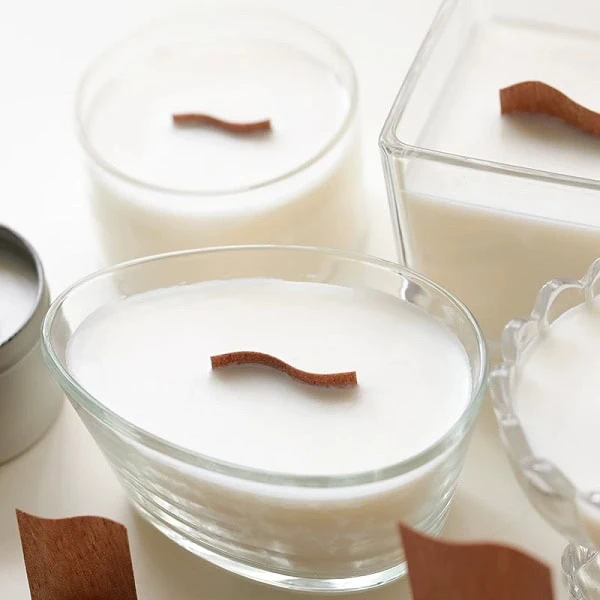
I have seen so many people struggle with this. I once met a client who had a great product idea. The packaging was beautiful, but the candle inside was a mess. The wicks were mushrooming and the jars were sooty. We had a long talk about the basics of candle making. It all came back to the wick.
Wick Trimming: This is the number one thing you must do. A long wick makes a big flame. The big flame sucks up too much wax. It burns too hot. This creates the black mushroom head on the wick. You must trim the wick. I tell my clients to trim it to a quarter inch every time they light the candle. This makes the flame small and controlled. It burns the wax evenly. It helps prevent soot.
Wick Size: This is the second most important thing. If the wick is too big for the jar, it will get that mushroom head. It will burn too fast. It will produce soot. You must find the right size wick for your jar. You must test it. You must test it with your wax. You must test it with your fragrance. You must test it with your color.
Candle Memory: This is another important point. The first time you light a candle, you must let it burn until the melted wax reaches the edges of the jar. This is called creating a full melt pool. If you don’t do this, the candle will tunnel. It will always burn in that tunnel. This can also lead to a poor burn and a sooty jar.
Fragrance Load: The amount of fragrance oil you put in your candle can change everything. Too much fragrance can clog the wick. It can make it hard for the wick to burn cleanly. This can cause the mushrooming effect. You must follow the recommended fragrance load for your wax. This is usually around 6-10%. You must test this.
| Problem | Why it happens | How to fix it |
|---|---|---|
| Mushroomed wick | Wick is too long. | Trim the wick before each use. |
| Black smoke | Wick is too big. | Use a smaller wick. |
| Flame is too big | Wick is too big or too long. | Use a smaller wick and trim it. |
| Wick falls over | Wick is not straight. | Re-center the wick when the wax is soft. |
Conclusion
Choosing the right wick is vital for making a high-quality candle. It prevents soot and ensures a clean, long burn. Always test your wicks with your specific wax, jars, and additives to find the perfect match.
