
Are you struggling to dispense thick, luxurious fragrance oils? Poor closures can ruin your product’s experience. You need a reliable solution.
For high-viscosity fragrance oils, a dropper is the best choice. Its mechanism, which uses a bulb to create suction, allows for controlled, precise dispensing of thicker liquids, preventing the clogs and inconsistent output that you get with sprayers.
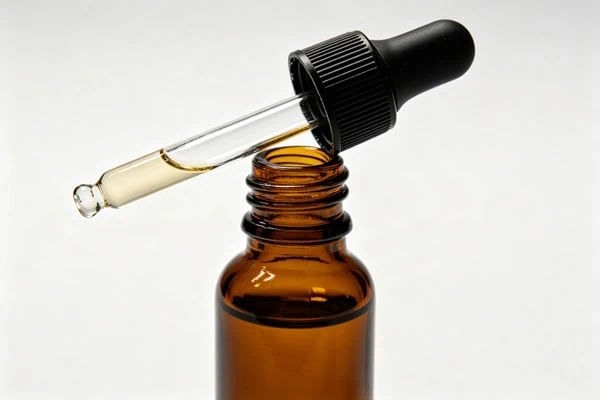
When I first got into the glass bottle business, I saw many brands make big mistakes with their packaging choices. I learned that the wrong closure can destroy a great product. Now, I want to share my knowledge from WXglass so you can make the right decision from the start and stop wasting your valuable product.
What is the difference between glass and plastic droppers?
Are you trying to decide between glass and plastic dropper pipettes? This choice impacts your oil’s quality and shelf life. You must get the material right.
The main difference is material compatibility and inertness. Glass droppers are superior for fragrance and essential oils because they are non-reactive, keeping the oil’s purity. Plastic droppers are cheaper but can sometimes degrade or leach chemicals into the oil over time.
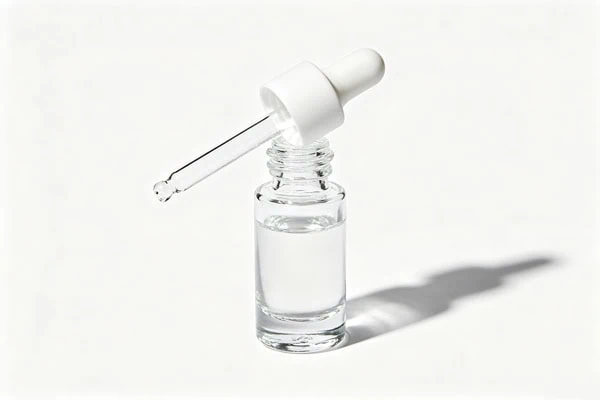
I remember one of my first big clients had a problem: their expensive citrus oil was losing its scent fast. We figured out they were using plastic pipettes. It was a simple fix, but it taught me a big lesson about material quality. When you are selling a premium product, every detail matters. The glass dropper has a pipette made from inert glass. The bulb is usually rubber or TPE, which is also chosen for oil resistance. This design ensures that the dropper will not mess up the oil’s delicate chemical balance. Plastic droppers, often made of polypropylene (PP) or polyethylene (PE), are fine for some liquids, but for strong fragrance oils, they are a risk. The essential oil compounds can react with the plastic, which may lead to clouding, leaching, or a change in scent over time. For WXglass, we always guide our clients to use glass pipettes for oils. This choice shows your customers you value quality and product integrity. The following table shows a simple comparison:
| Feature | Glass Dropper Pipette | Plastic Dropper Pipette |
|---|---|---|
| Material Inertness | Excellent (Non-reactive) | Good (Can react with strong oils) |
| Purity/Oil Integrity | Highest Preservation | Risk of Leaching |
| Cost | Higher | Lower |
| Aesthetic | Premium, Luxurious | Standard, Functional |
| Fragrance Oils | Best Suited | Not Recommended |
The bottom line is that for your high-end fragrance oil, glass is the only way to go. It is an investment in your brand’s reputation for quality.
How to use an oil dropper bottle?
Do you find yourself making a mess when using your oil dropper? Improper technique can lead to waste and frustration. You need to know the simple steps.
To use an oil dropper bottle correctly, first squeeze the rubber bulb completely before putting the pipette into the oil. Release the bulb slowly to draw the liquid up. Remove the dropper, then squeeze the bulb gently and slowly to dispense the oil drop by drop for maximum control and accuracy.
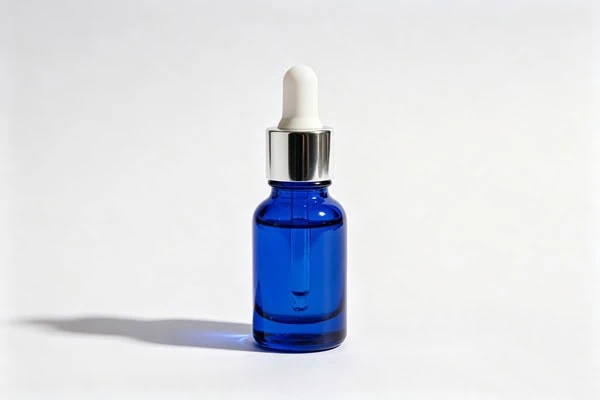
I have seen people try to fill a dropper while it is already in the bottle. This makes a weak suction and you get only a tiny amount of oil. The key is the air pressure. You need to create a vacuum inside the glass tube. When the bulb is squeezed, you push out all the air. When you put the tip into the oil and then let go of the bulb, the vacuum pulls the oil up into the tube. Think of it like a little syringe. Also, make sure the dropper cap is screwed on tight after use. This will keep air out and stop the oil from oxidizing, which can ruin the scent. I always tell my clients, the dropper is a tool for precision. When you have a high-viscosity oil, you might need to hold the dropper vertically for a second or two after drawing the oil. This lets the thick liquid settle completely, so you don’t drip any. When dispensing, a slow squeeze is important. A quick squeeze will cause the oil to rush out. A slow, controlled squeeze gives you perfect drops every time, which is essential for things like adding fragrance to a diffuser or a bath. The entire process should be smooth and deliberate. When you master the technique, you can use every last drop of your expensive oil without any mess.
Can essential oils be stored in clear glass?
Are you wondering if your clear glass bottle is safe for your oils? Light exposure can quickly destroy your valuable product. You must protect it from the outside world.
No, essential and fragrance oils should not be stored in clear glass. They should be stored in dark-colored glass, such as amber, cobalt blue, or opaque black. This dark glass blocks harmful UV light, which breaks down the oil’s chemical compounds, causing it to lose its potency and scent.
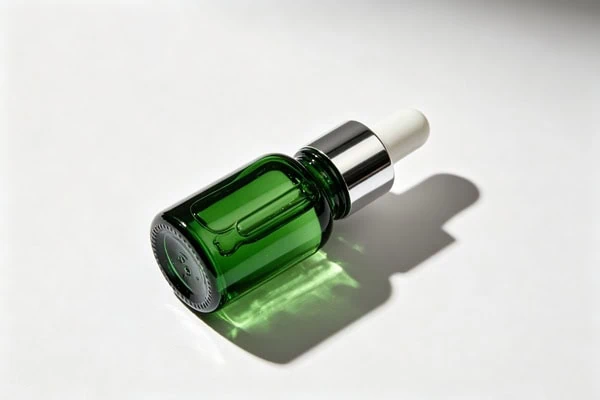
When I started WXglass, I learned that glass is not just about looks. It is a science of preservation. Clear glass looks nice, but it acts like a magnifying glass for light, and light is the enemy of essential oils. Oils contain complex, delicate molecules that are highly sensitive to ultraviolet (UV) radiation. Exposure to UV light causes a process called photo-oxidation. This process breaks apart the oil’s chemical structure, which will change the scent profile, reduce the oil’s therapeutic benefits, and dramatically shorten its shelf life. We offer many types of glass, but for oils, I always recommend amber glass or cobalt blue glass. Amber glass is the industry standard because it provides the best broad-spectrum UV protection. Think of it as built-in sunscreen for your product. Cobalt blue and dark green glass also offer good protection and look very premium. The color of the glass acts as a filter, stopping the high-energy UV rays from reaching the oil. If you must use a clear glass bottle for aesthetic reasons, the product needs to be in a box and kept away from all light sources, but that is a big risk. The best practice is always to choose a dark color. This choice is key for quality and trust. When your customers open a bottle, they expect the oil to be as potent as the day it was bottled, and dark glass makes that possible.
| Glass Color | UV Protection Level | Best For | Risk of Degradation |
|---|---|---|---|
| Amber | High (Industry Standard) | Essential/Fragrance Oils | Low |
| Cobalt Blue | High (Premium Option) | Essential/Fragrance Oils | Low |
| Dark Green | Moderate to High | Oils/Tinctures | Medium |
| Clear | None | Water-based Products, Syrup | High (Avoid for Oils) |
Remember, your packaging is the first line of defense for your product. Do not risk your formula with the wrong color glass.
What is a glass bottle with a narrow neck called?
Are you searching for the right name for a specific bottle shape? Knowing the right term is essential when talking to manufacturers. You need the correct glass industry vocabulary.
A glass bottle with a narrow neck is typically called a boston round or a serum bottle, depending on its size and closure type. The term “boston round” is common; it has a rounded shoulder and a narrow neck. A “serum bottle” is often smaller with a very narrow, crimp-style neck.
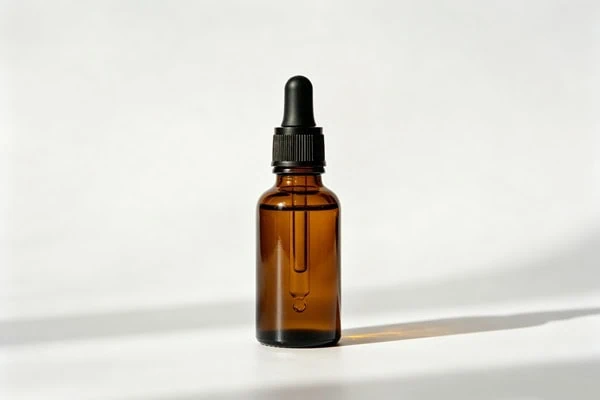
In the WXglass factory, we use these terms every day. The shape of the neck is important because it dictates the kind of closure the bottle will accept. When a client tells me they want a “bottle with a narrow neck,” I usually think of a boston round. This shape is very popular for essential oils and fragrance oils because the narrow opening helps to slow down the rate of evaporation. A narrow neck means a smaller surface area for the liquid to escape. It is a practical design choice for products that are volatile, which means they evaporate easily. I have personally helped clients choose the thread finish on these bottles, like an 18-400 or a 20-410 thread. The numbers tell us the diameter of the neck and the thread style. This is vital when matching a bottle with a sprayer or a dropper. Another narrow-neck bottle is the serum bottle, which is often for high-value lab samples or single-dose cosmetics. These usually have a crimp finish where a metal cap is sealed over the rubber stopper. This creates the most airtight seal possible. So, while “narrow neck” is a good description, you must know the specific shape and neck finish when talking to a manufacturer like WXglass. This small detail ensures you get the exact right bottle for your closure, making sure you will have a perfect, leak-free fit every time. This will save you time and money and will prevent expensive mistakes down the line.
Conclusion
The dropper closure is the most effective choice for high-viscosity fragrance oils. Always choose dark-colored glass and inert materials like glass pipettes to protect your product’s purity and potency from light and reaction.