
Are you frustrated with the high cost of professionally frosted glass? It’s expensive. You want that elegant look yourself. Etching cream is your simple answer.
To achieve a professional frosted glass look, you apply a thick, even layer of glass etching cream over a vinyl stencil, wait the manufacturer’s recommended time (usually 5–15 minutes), and then wash it off completely. The cream contains acid that permanently etches the glass surface, creating a smooth, frosted finish.
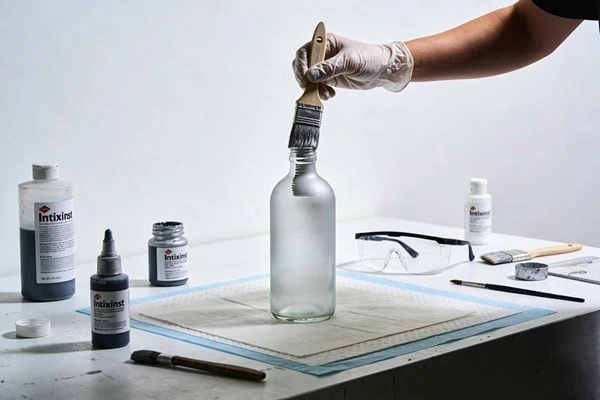
I have spent years in the glass bottle industry, and I know that the right finish can make or break a product’s appeal. When my clients want a high-end frosted look without the massive industrial cost, I always tell them to consider the magic of glass etching cream. This method is not only cost-effective but also delivers results that look truly professional if you follow the right steps. Let’s dive into the specifics so you can stop spending too much and start creating stunning glass pieces today.
How to frost glass with etching cream?
Are you struggling with blurry, uneven frosting results? Bad etching cream results are common. You want a perfectly clear design boundary. Precise application and timing are the keys to success.
You frost glass with etching cream by first thoroughly cleaning the glass, applying a stencil tightly to the surface, and then spreading a layer of etching cream about $1/8$ inch thick over the exposed areas. After the specified time, you rinse the cream off with water to stop the etching process and then peel off the stencil.
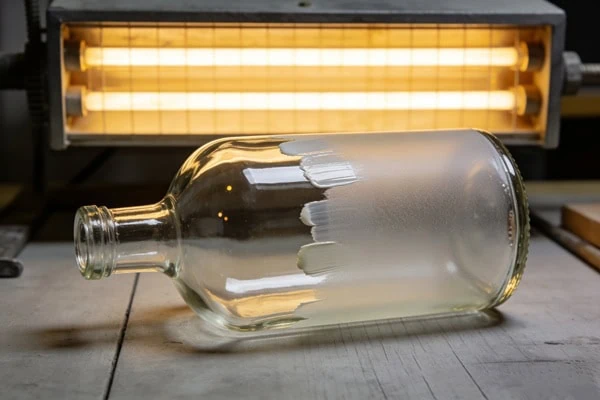
As someone who has seen countless glass finishes, I can tell you that preparation is everything for a great etched look. I once learned the hard way that a dirty surface causes terrible, patchy etching. You must use rubbing alcohol to wipe down the glass completely; any oils or fingerprints will block the cream. Next, your vinyl stencil must be pressed down hard, especially around the edges. This prevents the cream from bleeding under the stencil and ruining your sharp lines. When I spread the cream, I use a foam brush or plastic squeegee. I always aim for a very thick, even coat. If the coat is thin, the frosting will look weak. If the coat is uneven, the frosting will be splotchy. After the time is up, I rinse the entire piece under running water. I make sure all the cream is gone before I peel off the stencil. This stops the acid from eating into the glass further. The last step is drying and enjoying your new, beautifully frosted glass.
Essential Materials for Glass Etching
| Item | Purpose | Key Feature for Success |
|---|---|---|
| Glass Etching Cream | Creates the frosted effect. | Must contain hydrofluoric acid or ammonium bifluoride. |
| Vinyl Stencil | Protects the areas you don’t want frosted. | Needs a strong, clean adhesive backing to prevent leaks. |
| Rubber Gloves | Protects your hands. | Essential because the cream is corrosive to skin. |
| Rubbing Alcohol | Cleans the glass surface. | Removes invisible oils and residue that block the acid. |
| Plastic/Foam Brush | Spreads the cream. | Must not be metal, as the acid can react with metal. |
How do you make a glass look frosted?
Are you confused about all the “frosting” methods out there? You have many options, like spray or film. You want the most durable, permanent solution. Chemical etching is the only way to make it truly last.
You make a glass look frosted permanently and professionally by using glass etching cream, which causes a chemical reaction on the surface. This reaction microscopically roughens the top layer of silica, scattering light and creating the classic, soft white frosted appearance that will never scratch off or fade over time.
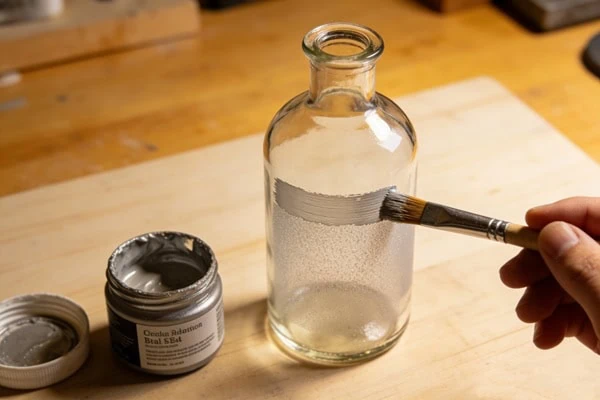
In the glass world, the word “frosted” means a specific look. It is a light, opaque finish. Many people try frosted spray paint or adhesive window film. While these are quick and cheap, they are not permanent. The paint chips and peels, and the film bubbles or tears. From my experience helping clients with branding, I know that durability equals quality. Etching cream gives you a finish that is literally part of the glass. When the hydrofluoric acid in the cream reacts with the silica in the glass, it creates millions of tiny, microscopic pits. These pits are the key. They diffuse any light that hits the glass. This is why frosted glass looks white and opaque. It is not a coating. It is a change in the material itself. Because of this, etched glass is dishwasher safe and scratch-proof. The only other truly permanent way is industrial sandblasting, but that needs expensive equipment and a dust-controlled environment. For a DIY project, etching cream is the only permanent, professional-level option you should consider.
Comparing Glass Frosting Methods
| Method | Permanence | Durability (Scratch Resistance) | Cost | Application Complexity |
|---|---|---|---|---|
| Etching Cream | Permanent | Very High (Part of the glass) | Low to Medium | Medium (Requires care) |
| Frosted Spray Paint | Low | Low (Chips easily) | Low | Low |
| Adhesive Film | Medium | Medium (Can peel/tear) | Low | Medium (Bubble risk) |
| Sandblasting | Permanent | Very High | Very High (Requires specialized equipment) | High |
How long should I leave etching cream on glass?
Are you worried about leaving the cream on for too long or not long enough? The etching time is crucial. Over-etching can ruin the finish. Always follow the manufacturer’s exact guidelines for a perfect etch.
You should leave etching cream on glass for the exact time specified on the product label, which is typically between 5 to 15 minutes. Leaving the cream on for too little time results in a weak, translucent etch, and leaving it on too long rarely improves the result and may, in rare cases, degrade the final frosted appearance.
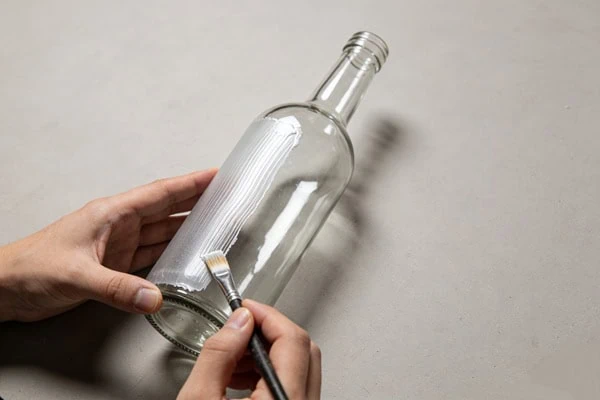
The timing of the cream is where most beginners make their mistakes. I often tell people to set a timer and not to guess. The chemical reaction between the acid and the glass does not happen instantly. It takes a few minutes for the hydrofluoric acid to start dissolving the silica effectively. Most brands, like Armour Etch, recommend about five minutes. Other brands might suggest ten or fifteen minutes. I always say to trust the manufacturer of the cream you buy. I know that leaving it on for a much longer time, like an hour, will not make the etching “more” frosted. The reaction stops once all the accessible silica has been reacted with. What a longer time can do is give the acid more chance to spread under any poorly applied stencil areas, which creates a messy final product. A key insight I have is this: The thickness of your cream coat is more important than the time. A thick, even $1/8$-inch coat ensures a consistent reaction across the entire design. If you put a thin coat on, it might dry out before the time is up, leading to a weak, faded etch. For best results, I start my timer the moment the last bit of cream is spread and rinse it off immediately when the timer goes off. The rinsing step is important. It stops the reaction completely.
Troubleshooting Etching Cream Results
| Problem | Cause | My Recommended Fix |
|---|---|---|
| Etch is Weak/Translucent | Cream was on for too short a time, or the layer was too thin. | Apply a much thicker coat of cream next time, and leave it on for the full specified time. |
| Etch is Patchy/Uneven | Glass was not cleaned properly, or the cream was spread unevenly. | Clean glass perfectly with alcohol, and use a plastic squeegee for a perfectly flat, thick layer. |
| Cream Bled Under Stencil | Stencil edges were not pressed down firmly enough. | Use a burnishing tool (like a credit card) to firmly seal all stencil edges before applying cream. |
What is the difference between frosted and etched glass?
Are you using “frosted” and “etched” as the same word? These terms are often used interchangeably. You need to know the proper, technical difference. The distinction lies in the method, not the look.
The difference between frosted and etched glass is mostly in the process, not the final appearance. Etched glass refers to glass that has been physically or chemically altered (etched) to achieve a translucent, light-diffusing surface, while frosted glass is the general look that results from this etching process.
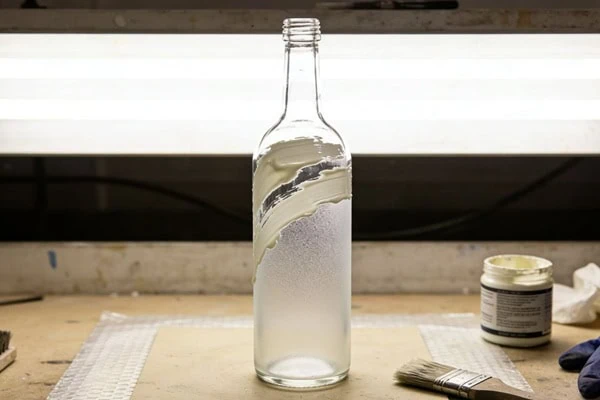
In the glass industry, we use words carefully. When I talk to my customers at WXglass, I make sure we all understand the exact meaning of our terms. Frosted glass is the generic, visual description. It tells you what the glass looks like: opaque, matte, and soft. Etched glass is the term that describes the method used to achieve that frosted look. The word “etch” simply means to corrode or cut into a surface. Therefore, you can have glass that is acid-etched (using the cream we discussed) or sand-etched (using sandblasting). Both of these methods create a permanent, frosted finish. It is important to know this because when you buy a high-end glass bottle from a supplier, the item is usually labeled as “acid-etched” or “sandblasted” to indicate the quality and permanence of the finish. The main takeaway is that all etched glass is frosted glass, but not all frosted glass is etched (some might be film or spray paint). Etching is the superior method because it physically changes the glass. This chemical change means the finish is part of the glass. It will not flake off like a coating. It is a permanent, high-quality, professional finish that adds great value to any product.
The Relationship Between Etching and Frosting
| Term | Category | Definition | Permanence |
|---|---|---|---|
| Frosted Glass | Appearance/Result | The visual look: translucent, matte, and opaque. | Varies by method (high if etched). |
| Etched Glass | Process/Method | Glass surface changed by acid or sandblasting. | High (Permanent change to the material). |
| Acid-Etched | Specific Process | Uses hydrofluoric acid cream to make glass frosted. | High |
| Sand-Etched | Specific Process | Uses abrasive blasting to make glass frosted. | High |
Conclusion
Achieving a professional frosted look is simple with etching cream. The method is permanent, durable, and cost-effective. Focus on cleaning, thick application, and precise timing for a perfect, elegant finish.