
Are you tired of plain, clear glass jars? Do you wish you could get that trendy, rustic cement texture for almost no money? I have easy, affordable DIY answers for you.
The best low-cost DIY methods for giving old glass jars a cement look involve using simple household materials like baking soda and acrylic paint, joint compound, or even real cement-based powder mixed with water and a bonding agent. These techniques allow you to easily add a heavy, matte texture that mimics the natural rough finish of concrete.
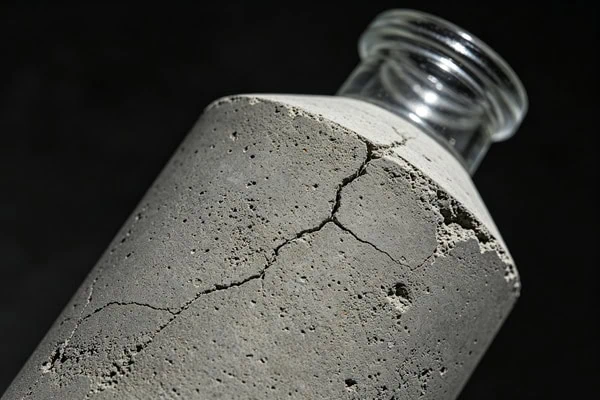
When I first started in the glass bottle industry, I learned that what’s inside a bottle matters, but the outside look matters even more to customers. That is why this cement look is so popular right now. I want to show you exactly how to transform your simple glass jars so they look like expensive, heavy concrete pieces. Read on because I will break down the easiest and cheapest ways to get this awesome texture at home.
How to add texture to a glass vase?
Do your glass vases feel too slick or just boring? I know that simple glass can lack character. Let’s fix that with a quick texture upgrade.
You can add a concrete-like texture to a glass vase by mixing acrylic paint with a thickening agent such as baking soda, spackle, or joint compound. Apply this thick mixture with a brush or sponge in uneven layers, which immediately creates a rough, matte, and heavy texture when it dries. This DIY trick changes the whole look of the piece.
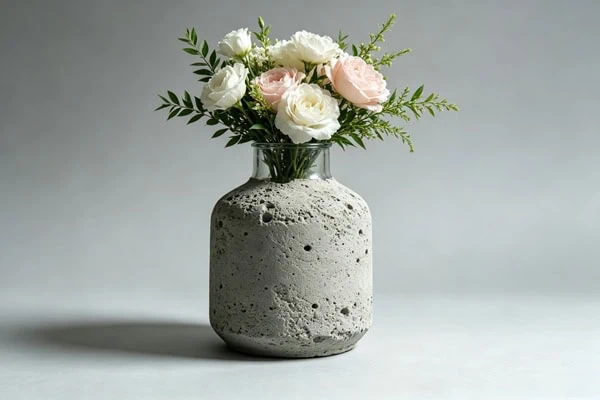
I have seen countless glass products, and I know that people want that high-end, substantial feel. The easiest way to make a thin glass vase look heavy like concrete is to use baking soda. I remember when I first saw this trick. It seemed too simple to work, but it really creates a great texture. You just mix a few spoonfuls of baking soda into gray or off-white acrylic paint. The mixture should be thick, almost like frosting, but still spreadable. You need to apply this layer quickly and unevenly to the vase. Do not try to make it smooth. Instead, you should tap the mixture onto the glass with a stiff brush to make peaks and valleys. This tapping motion helps the texture stand up and look rougher, more like real stone or cement. Once the first coat dries completely, you can add a second, thinner layer if you want the color to be more opaque. The best part is how fast this is. You can change a simple, cheap vase into a cool, trendy piece in one afternoon. This method works well for small jars and larger pieces. Always remember to clean the glass first with rubbing alcohol to make sure the paint sticks well. This simple step is important for a long-lasting finish.
| Material | Cost | Ease of Use | Final Texture |
|---|---|---|---|
| Baking Soda + Paint | Very Low | High | Fine, slightly grainy, matte finish. |
| Joint Compound | Low | Medium | Thick, stucco-like, very rough texture. |
| Spackle Paste | Low | Medium | Smoothable but can be made rough; great for filling small gaps. |
How to make concrete look textured?
Do you want your items to look like they came from a construction site? I understand that you need to get that real, gritty concrete feeling. You can do this at home.
To make a DIY mixture look realistically textured like aged concrete, you need to use a high ratio of texturizing agent to paint, focusing on uneven, thick application. You should mix fine materials like sand or cement powder into a gray base paint. Apply the mix with dabbing or stippling motions to build up an inconsistent surface, which is key to a natural, worn concrete appearance.
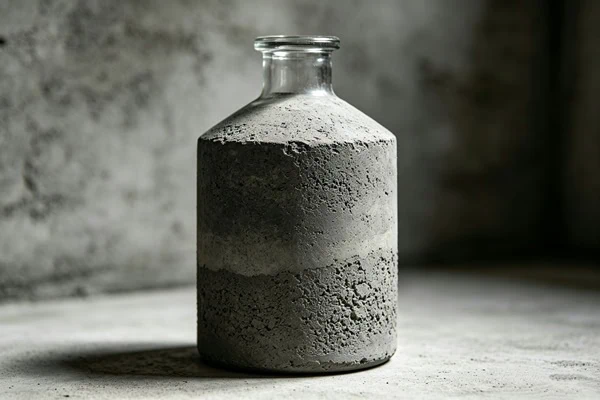
In my experience, when brands want a rustic look for a product, they always go for texture. A truly convincing concrete look needs more than just a matte gray color. You need that heavy, almost rugged feel. For a more authentic, deep texture, I recommend using actual concrete mix or mortar powder if you have it. You should mix a very small amount of water with the cement powder to make a thick paste. Then, you can mix a little acrylic binder or a small amount of liquid glue into this paste. This helps the cement stick to the non-porous glass surface and stops it from cracking as it dries. This is a crucial step that many people miss, and it makes the difference between success and failure. You should also consider adding fine sand to your mixture, even if you are using paint and baking soda. The small grains of sand give it that mineral, gritty feel that is present in real concrete. Apply the mixture thickly and in small, random patches. I suggest using a plastic putty knife or a disposable spoon to spread it. This gives you less control than a brush, but it often results in a more natural, uneven look. After the texture is completely dry, you can use a fine-grit sandpaper to lightly distress some areas. This exposes the underlayer and makes the “concrete” look worn and old, which adds a lot of character and depth. This whole process gives you a durable, deeply textured finish that looks like real cast concrete.
How to make cement look old?
Do you want your new cement texture to look like it has been outside for years? I know that new things often lack that desired vintage charm. Let’s make it look old.
You can make a new cement texture look old by using simple techniques like dry brushing, controlled distressing, and adding an aging wash. Dry brushing dark brown or black paint lightly over the textured surface highlights the high points and mimics dirt buildup, while a very watered-down paint wash creates a patina of age and use.
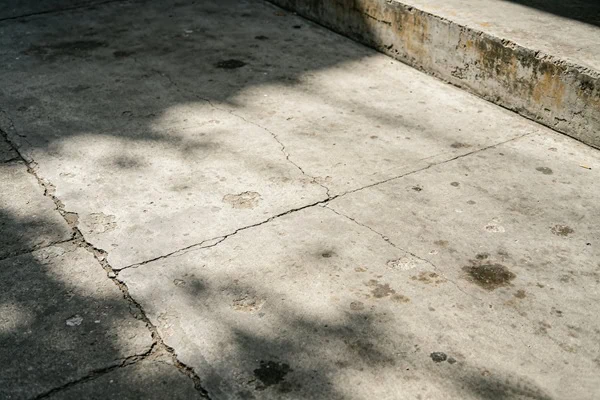
I helping clients make their glass bottles look premium, and often “premium” means having a sense of history. New texture can look fake if it is too clean and uniform. To make your cement look old and used, you need to add layers of color that mimic weathering. I call this the “aging wash.” First, get a very dark color, like deep charcoal gray, dark brown, or black acrylic paint. You should mix a tiny amount of this paint with a lot of water—the mixture should look mostly like dirty water. You should brush this watery mixture all over the dry, textured surface. Do not worry if it looks too dark at first. Then, you should immediately wipe most of the wash off with a soft, clean rag or a paper towel. The dark color will stay trapped in the low points and crevices of your texture, making it look dirty and aged, like real concrete that has been exposed to the elements. For an extra touch of realism, you can try dry brushing. You should dip a brush into a very light gray or white paint and wipe almost all the paint off onto a scrap piece of paper. Then, lightly drag the almost-dry brush over the textured surface. This only hits the highest points of the texture, giving it a faded, chalky look, which is what happens when concrete ages and gets sun exposure. This two-step process—the dark wash for the shadows and the light dry brush for the highlights—is the best way to make a DIY texture look genuinely old and time-worn.
How to make paint look like concrete texture?
Are you looking for a simple painting trick to get the concrete look without any complicated mixing? I can give you a simple, paint-based solution. You can achieve this easily.
You can make plain paint look exactly like concrete texture by combining it with joint compound or spackle, which acts as a heavy-duty texturizing medium. The mixture must be applied in varying thickness with a putty knife or a natural sponge, using dabbing or sweeping motions to avoid any smooth brush strokes and ensure a believable, uneven finish.
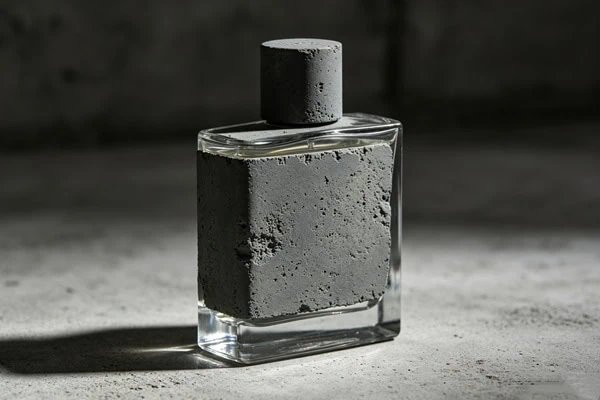
I learned early on that consistency is key in manufacturing, but for this DIY look, inconsistency is the goal. The easiest and most scalable method for a cement texture is the joint compound method. Joint compound, also called drywall mud, is cheap and sold at any hardware store. It has a great consistency. You should mix about one part paint to three parts joint compound in a container. The paint is mainly there for color. The joint compound provides the bulk and the texture. You should use a simple gray paint. If you want a deeper texture, you can use a kitchen sponge—the cheap kind with a scrubber side—and repeatedly dab the mixture onto the glass. You should let the mixture create small peaks and valleys. If you want a smoother, but still textured, concrete look, you can use a plastic putty knife to scrape the mixture onto the jar. The key here is not to cover the glass perfectly in one go. Instead, you should aim for a patchy, somewhat rough application. This method is great for large items because joint compound is easy to spread and dries relatively slowly, giving you time to work and adjust the texture before it sets. Once dry, this mixture is very hard and durable. I have seen this technique used on all sorts of glass containers, from perfume bottles to large candle holders, and the result is always a convincing, heavy, and very trendy concrete finish.
| Application Tool | Best For | Resulting Texture | Tip for Best Finish |
|---|---|---|---|
| Stiff Paint Brush | Small Jars, Detailed Work | Fine, light texture from the bristles. | Use a ‘stipple’ motion (dabbing straight up and down). |
| Putty Knife | Medium/Large Vases | Irregular, rough, troweled look. | Apply in thin, random strokes, then go over it. |
| Natural Sponge | Any Size | Heavy, porous, pitted texture. | Load sponge lightly and dab repeatedly for buildup. |
Conclusion
This is a great, low-cost way to get the cement look. I shared my best tips for adding texture, making it look old, and using simple paint to achieve this very popular, high-end, rustic finish.