
Have you ever bought a beautiful essential oil and noticed it was only sold in a dark glass bottle? This is not an accident. I wondered about this when I first started in the glass industry.
Yes, there is a scientific reason: essential oils should be stored in opaque or colored glass bottles, such as amber or dark brown, to protect them from UV light and oxidation. Light exposure degrades the oil’s chemical compounds, reducing its potency and shelf life. This is key for preserving quality.
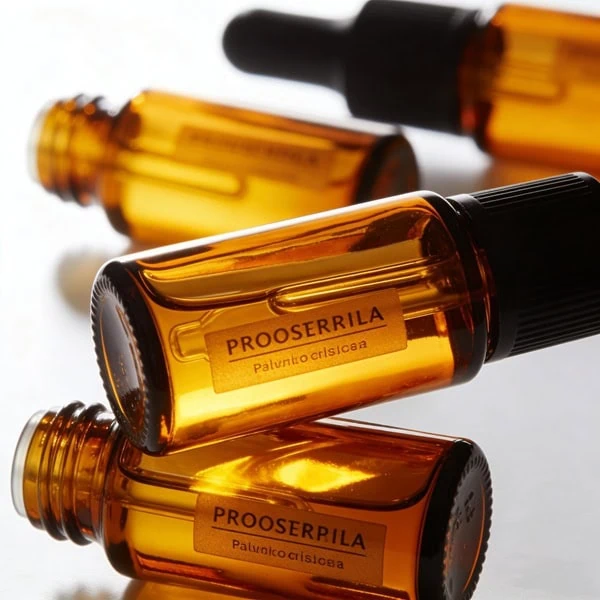
Many people overlook the importance of packaging, but I learned early on that the bottle is just as vital as the oil inside. The choice of glass is a science, not just a matter of aesthetics. When I first started working at the glass bottle factory, I saw how much effort went into making sure the dark glass met quality standards. This simple choice protects the brand’s reputation and the customer’s experience. Let’s look closely at why this small detail is so important for long-term quality and effectiveness.
Why are essential oils stored in dark glass bottles?
You buy high-quality essential oils, hoping they keep their scent and benefits. However, light can ruin them fast. Dark glass is the simple solution that keeps your oils safe and strong.
Dark glass bottles, especially amber, are used to store essential oils because they block out most UV and visible light. This light protection is critical. Without it, the oil’s volatile aromatic compounds break down quickly, causing the oil to oxidize and become ineffective or even unsafe.
My journey in the glass industry taught me that light is the essential oil’s worst enemy. I remember one client who tried to save money by using clear bottles for a new diffuser line. They saw massive returns because the oil quickly spoiled on the shelf. The dark glass is not just a tradition; it is a necessity based on chemistry. Essential oils are complex mixtures of chemicals. Terpenes, esters, and aldehydes are all sensitive to light energy. When photons from light hit the oil molecules, they provide the energy needed to kickstart degradation. This process is called photodegradation or photo-oxidation.
The Science of Photodegradation
Photodegradation is a chain reaction. First, the light energy creates free radicals within the oil. These radicals then attack and change the beneficial compounds. The essential oil quickly loses its therapeutic properties and its intended aroma. Brown or amber glass works like a sunscreen for the oil. I always explain to my clients that they are investing in the product’s longevity when they choose dark glass.
Comparing Light Protection
Different glass colors offer different levels of protection. Amber glass is the industry standard for a clear reason: it blocks blue light and UV rays most effectively. Blue glass offers some protection, but it is not as comprehensive as amber. Green glass is even less protective. Clear glass, of course, offers almost zero defense against light damage. When I help a new brand, I stress this point: The color matters for the product inside.
| Glass Color | UV Light Protection | Visible Light Protection | Industry Use |
|---|---|---|---|
| Amber | Excellent (Blocks up to 99%) | Very Good | Essential Oils, Tinctures, Pharmaceuticals |
| Blue | Good (Variable, less than Amber) | Fair | Cosmetics, Decorative Bottles |
| Green | Fair | Poor | Some Beverages, Limited Oils |
| Clear | Poor (Almost None) | Poor | Water, Vinegar, Non-Sensitive Liquids |
This simple table shows why I always recommend amber for truly sensitive products. I believe in giving the best advice to ensure success.
What color bottle is best for essential oils?
You want your essential oils to last as long as possible and keep their power. Choosing the right bottle color is your best defense against spoilage. The industry standard has proven one color to be best.
The best color bottle for storing essential oils is dark amber, or dark brown, glass. Amber glass provides superior protection by filtering out UV rays and visible light frequencies that accelerate oxidation and chemical change. This protective barrier extends the oil’s shelf life and maintains its therapeutic quality.
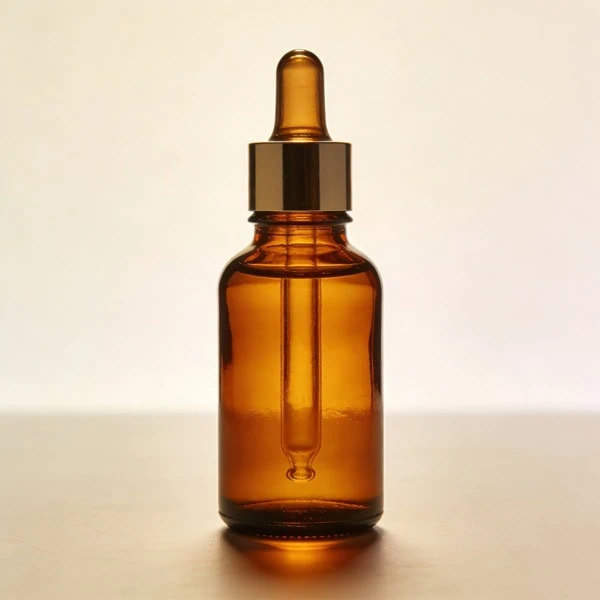
When I started WXglass, I had to understand why certain clients insisted only on amber. It was more than tradition; it was pure performance. Amber glass contains metal oxides, specifically iron oxide, that absorb radiation in the short-wavelength (high-energy) range, which includes the damaging UV and blue light spectrums. This is the light that causes the most damage to the delicate molecules in the oils. I even had a demonstration once where we left the same oil in a clear bottle and an amber bottle near a window for a month. The clear bottle sample smelled stale and had changed color; the amber sample was almost perfect.
The Role of Light Wavelengths
Light energy is inversely related to its wavelength. Shorter wavelengths, like UV (10 nm to 400 nm), carry more energy and cause more chemical reactions. Amber glass is effective because its color pigments are tuned to absorb these high-energy wavelengths. This prevents them from penetrating the glass and reaching the oil. I consider the bottle to be the first layer of quality control for any essential oil.
Why Amber is Preferred Over Other Dark Colors
While other colors, like dark green or cobalt blue, offer some level of protection, they do not match the broad-spectrum defense of amber. Cobalt blue glass, for example, is beautiful and blocks some UV light, but it allows more light in the crucial 450-500 nm range to pass through compared to amber. This means a blue bottle is less reliable for very expensive or sensitive oils. I always tell my partners to look at the chemistry first, not just the aesthetic. The slight cost difference is worth the protection.
| Glass Color Type | Primary Protective Mechanism | Wavelengths Blocked Best | Common Trade-Off |
|---|---|---|---|
| Amber Glass | Iron Oxide Pigmentation | UV-A, UV-B, and Blue Light | Less visually appealing than blue |
| Cobalt Blue | Cobalt Oxide Pigmentation | Shorter UV Wavelengths | Allows more green/yellow light through |
| Dark Green | Iron and Chromium Oxides | Red and Some Blue Light | Poorest overall UV protection |
This analysis helps me guide my clients. Protecting the product is always the main goal.
Can essential oils be stored in clear glass?
You might see clear bottles and think they look clean and modern. But this decision can quickly ruin your expensive oils. Clear glass is a major danger to the oil’s chemistry and shelf life.
No, essential oils should not be stored in clear glass. Clear glass offers no protection against ultraviolet (UV) light, which rapidly breaks down the volatile compounds in the oil through oxidation. Storing oils in clear bottles drastically reduces the potency, changes the aroma, and shortens the usable life of the product.
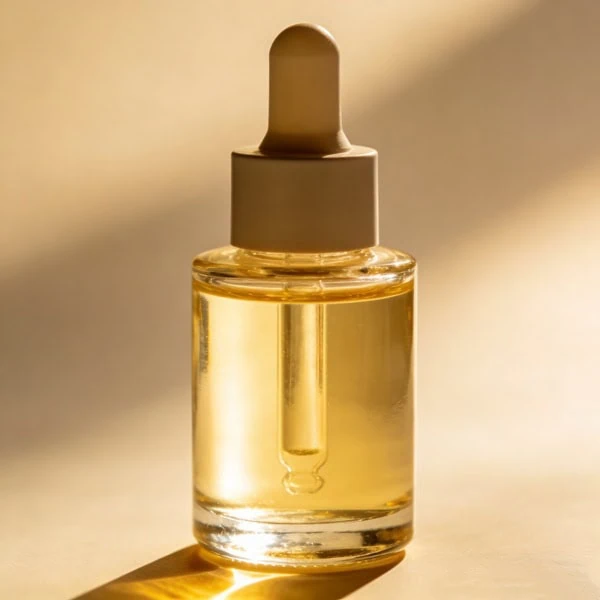
In my years helping clients, I have seen the temptation to use clear glass for a sleek, premium look. However, I have to quickly step in and explain the chemical reality. Clear glass, or flint glass, is chemically inert, meaning it will not react with the oil itself. That is good. But it is optically transparent, meaning it allows the entire spectrum of light to pass right through it. Essential oils are organic compounds. They react to energy, and light is a form of energy. The oil will react every time. This reaction is bad for the oil’s quality.
The Two Main Enemies: Light and Oxygen
When an essential oil is exposed to light through a clear bottle, the light acts as a catalyst. It speeds up the second major degradation process: oxidation. Oxygen is already present in the headspace of the bottle. The light provides the kick that makes the oxygen react with the oil molecules. This creates by-products that can smell unpleasant or even cause skin sensitivity. I want my clients’ products to be safe and effective, so I argue strongly against clear glass for pure oils.
Packaging vs. Presentation
When designing a glass bottle, we balance form and function. With essential oils, function must win. A clear bottle might look nice on a shelf for a week, but the oil inside is dying. I advise clients to use clear glass for less-sensitive products, like water or certain synthetic fragrances that are chemically more stable. For pure, natural essential oils, clear glass is a recipe for disaster. I often tell the story of a client who switched back to amber after losing thousands of dollars in spoiled product.
| Storage Condition | Impact on Essential Oil Quality | Rate of Degradation | Long-Term Effect |
|---|---|---|---|
| Clear Glass | High UV/Visible Light Exposure | Very Fast | Loss of potency, rancidity, chemical change |
| Clear Glass in Box | Protection from Visible Light, Still Clear | Fast (Only light is blocked) | Oxidation from heat, still risks UV if opened |
| Amber Glass | Minimal Light Exposure | Slowest | Maximum shelf life achieved |
This highlights why the bottle choice is a critical part of the product’s formula. I know the packaging is the final defense.
Are blue glass bottles good for essential oils?
Blue glass is visually stunning; it looks elegant and premium. You might wonder if it offers the same protection as the dark amber bottles. The answer depends on the specific chemical needs of your oil.
Blue glass bottles are a moderate choice for essential oils, but they are not the best. While cobalt blue blocks some UV light and adds a beautiful aesthetic, they allow more light in the crucial green and yellow spectrums to pass through compared to amber glass. Therefore, blue is less effective for long-term storage of highly sensitive oils.
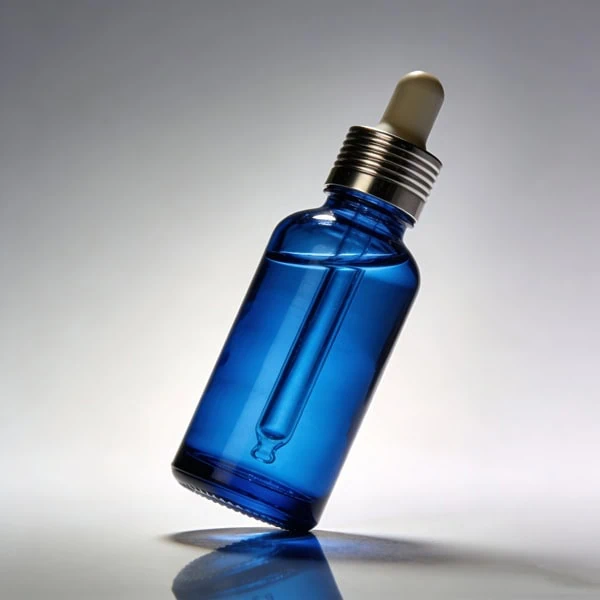
At WXglass, we manufacture many beautiful blue bottles, often for high-end cosmetics or certain water-based products. I personally like the look of blue glass. It gives a luxurious, clean feel. However, when a client asks me if it is as good as amber for essential oils, I have to be honest. It is not. The blue color is created by adding cobalt oxide to the glass batch. This gives the strong, dark blue hue. While the color itself is dark, the specific wavelengths of light that it blocks are different from amber.
Spectrum Protection Differences
Amber glass provides protection over a wider spectrum, especially against the high-energy UV and near-UV bands, which is where the damage starts. Blue glass is effective at blocking some of the shorter UV rays, but it is less comprehensive in the visible light range that still affects oil stability. For example, some sensitive compounds in citrus oils are prone to degradation from visible light that can still pass through blue glass. I have seen the test data that proves amber’s superiority for broad-spectrum defense.
Aesthetic vs. Stability Decision
The decision to use blue glass often comes down to an aesthetic choice over maximum stability. Some brands choose blue for oils that have a shorter expected shelf life or that are packaged inside an opaque outer box, which provides the true light barrier. For the purest, most expensive, or most volatile oils, I always steer my partners toward the dark brown. I believe that the stability of the product should never be compromised for the bottle’s look. The integrity of the oil is the most important thing.
| Bottle Color | Primary Benefit | Secondary Benefit/Drawback | Best Use Cases |
|---|---|---|---|
| Amber | Maximum Light/UV Protection | Industry Standard, less visible appeal | Pure Essential Oils, Carrier Oils, Tinctures |
| Cobalt Blue | Premium Aesthetic Appeal | Inferior broad-spectrum light blocking | Cosmeceuticals, Bath Products, Less Volatile Oils |
| Green | Natural, Organic Look | Minimal Light Blocking Effectiveness | Food-grade uses, some stable hydrosols |
I always encourage my partners to make an informed choice.
Conclusion
Scientific evidence confirms that dark, opaque glass like amber is essential for oil longevity. I advise all my partners to choose function over form to protect their product’s integrity and quality on the shelf.
